Table Of Contents
Importance of Proper Ventilation
Proper ventilation under a house plays a crucial role in maintaining a healthy environment. It helps prevent moisture buildup, which can lead to issues such as mold growth and structural damage. Ensuring adequate airflow allows for fresh air exchange while reducing humidity levels. Homeowners should prioritize ventilation systems that promote air circulation to achieve optimal conditions beneath their homes.
In addition to using vents and fans, seeking professional services for moisture removal near me can provide effective solutions. These experts can assess the specific needs of your space and recommend strategies for improving air quality. Adequate ventilation not only protects the integrity of the building but also supports the overall comfort and health of its occupants.
Strategies for Enhancing Airflow Under a House
Improving airflow under a house is essential for effective moisture control. One effective strategy involves the installation of vents in the foundation. These vents allow fresh air to circulate through the crawl space, which helps to reduce humidity levels. Ensuring that vents are unobstructed and adequately spaced can maximize airflow and assist in moisture removal near me.
Another approach is to use fans to enhance air circulation. Installing small, strategically placed fans can help move stagnant air and facilitate drying. This method is particularly beneficial in areas with limited natural ventilation. Regular maintenance of these ventilation systems is crucial to ensure optimal performance and continuous moisture removal near me.
The Benefits of Dehumidifiers
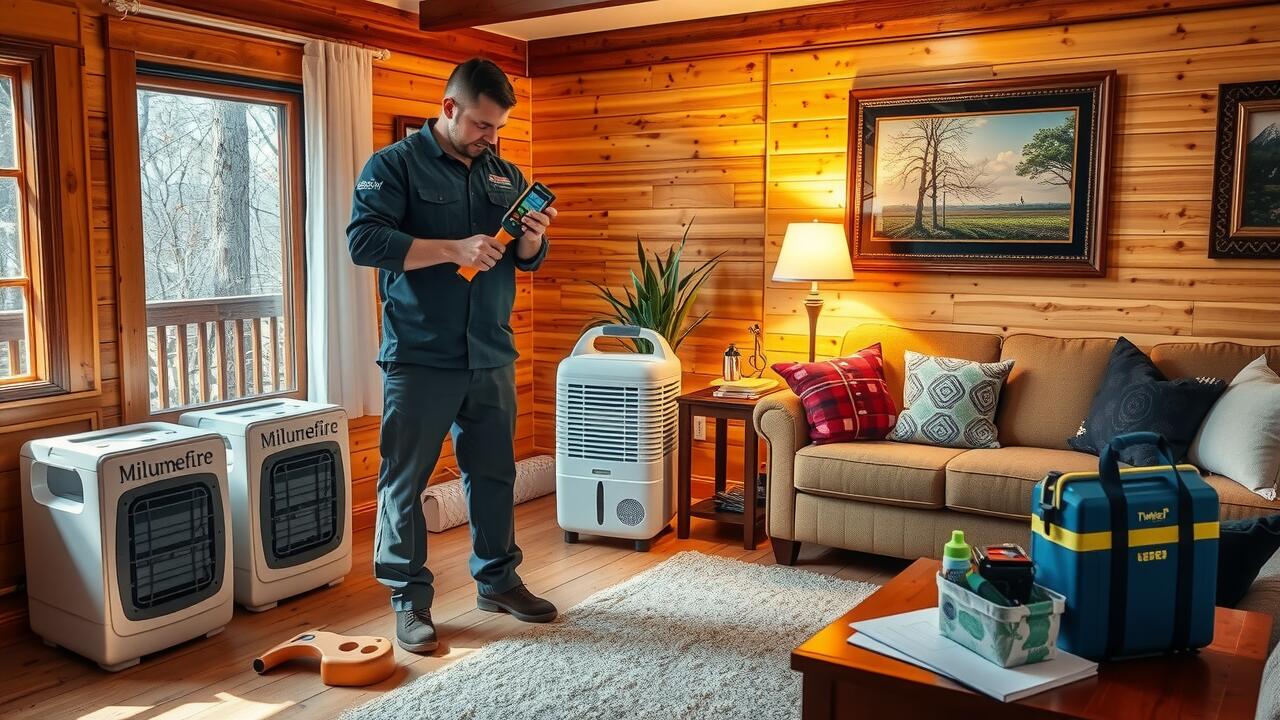
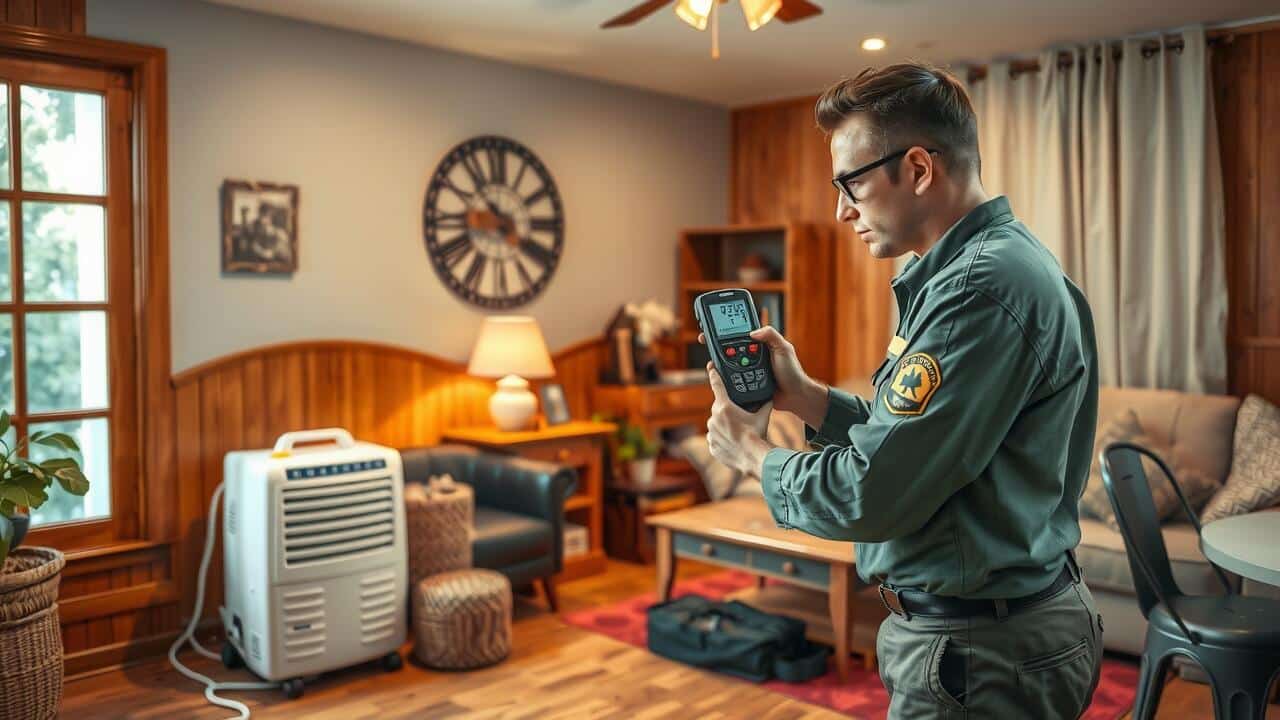
Dehumidifiers are essential tools for controlling indoor humidity levels, particularly in spaces prone to excess moisture. These devices work by pulling in humid air, removing the moisture, and releasing drier air back into the environment. This process helps to prevent mold and mildew growth, which can cause structural damage and pose health risks. Families looking to improve their home environment often consider the option of “moisture removal near me” to find local solutions that best fit their needs.
In addition to maintaining healthier air quality, dehumidifiers can reduce the burden on heating and cooling systems. By lowering humidity levels, these devices allow HVAC systems to operate more efficiently, potentially leading to reduced energy costs. Many homeowners appreciate the dual benefit of moisture control and energy savings, making dehumidifiers a wise investment for maintaining a comfortable living space.
Choosing the Right Dehumidifier for Your Space
When selecting a dehumidifier, capacity is a crucial factor to consider. The size of the unit should match the dimensions of the area you wish to dehumidify. A small dehumidifier may struggle to effectively manage moisture levels in a large basement, while an oversized unit can lead to excessive drying and increased energy costs. Assess the square footage and humidity levels of your space to find a model that efficiently meets your needs.
Additionally, it’s important to look for features that enhance convenience and effectiveness. Some dehumidifiers come with built-in humidistats, which help regulate humidity automatically. Others may have continuous drainage options that eliminate the need to empty a collection tank frequently. Research popular brands and online reviews to help guide your decision. Remember, searching for “moisture removal near me” can provide local resources and service options to assist with your dehumidification needs.
Landscaping Techniques to Reduce Moisture
Effective landscaping techniques can significantly reduce moisture accumulation under a house. One key method involves creating a sloped grading around the home’s foundation. This slope directs rainwater away, minimizing the chances of it pooling near the base of the structure. Additionally, utilizing drainage solutions, such as French drains or dry wells, can help channel excessive water away from the property.
Incorporating moisture-resistant plants into your landscape can also aid in moisture control. Native plants often require less water and are better adapted to the local climate, helping to maintain soil balance. For those seeking professional help with moisture challenges, searching for “moisture removal near me” can connect homeowners with experts who specialize in effective landscaping and drainage solutions.
Designing a Yard That Prevents Water Accumulation
Implementing effective landscaping techniques can significantly reduce water accumulation around a house. Proper grading allows for water to flow away from the foundation, ensuring that puddles do not develop near the property. Incorporating drainage features like French drains or swales can further direct water away from the home. Native plants can also be beneficial as they are adapted to local rainfall patterns and can help absorb excess moisture from the soil.
In addition to grading and drainage, maintaining a healthy lawn can play a vital role in moisture management. Aeration improves soil porosity, allowing for better water absorption and reducing surface runoff. Mulching around plants can reduce evaporation and prevent soil erosion. For those seeking specific solutions, searching for “moisture removal near me” can lead to local experts who provide tailored advice on effective yard designs that minimize moisture problems.
FAQS
What are common materials that soak up moisture under a house?
Common materials that soak up moisture under a house include concrete, wood, and insulation. These materials can absorb excess humidity, leading to potential mold growth and structural damage.
How does proper ventilation help reduce moisture under a house?
Proper ventilation allows fresh air to circulate, helping to lower humidity levels and prevent moisture buildup. It can also help in drying out any damp areas, which reduces the risk of mold and mildew.
Can using a dehumidifier effectively control moisture levels?
Yes, using a dehumidifier can effectively control moisture levels by extracting excess humidity from the air. This can be particularly beneficial in basements or crawl spaces that are prone to dampness.
What landscaping techniques can help prevent moisture accumulation around a house?
Landscaping techniques such as grading the yard away from the foundation, using proper drainage systems, and selecting moisture-resistant plants can help direct water away from the house and reduce moisture accumulation.
How often should I check for moisture issues under my house?
It is advisable to check for moisture issues under your house at least once a season, especially during periods of heavy rain or humidity. Regular inspections can help catch problems early before they lead to significant damage.