Table Of Contents
Preventing Mold in Your Home
Keeping humidity levels low is essential in preventing mold growth in your home. Use dehumidifiers in damp areas like basements and bathrooms. Ensure proper ventilation in rooms that tend to retain moisture. Regularly check for leaks in plumbing and roofs, as these can contribute to an environment conducive to mold. Cleaning and drying any spills or water damage immediately will further reduce risk.
Regular maintenance of your home can help mitigate mold growth. Inspect areas prone to moisture, such as under sinks and around windows, frequently. If you notice signs of mold or persistent dampness, it is advisable to contact professionals. Searching for “mold remediation near me” can connect you with experts who can evaluate the situation and recommend effective solutions. Taking these proactive steps can help keep your home mold-free.
Best Practices for Mold Prevention
Maintaining a dry environment is essential for preventing mold growth in your home. Regularly checking for leaks in plumbing and roofing can help catch potential moisture problems before they escalate. Ensuring proper ventilation in areas prone to humidity, such as bathrooms and kitchens, also contributes significantly to mold prevention. Using dehumidifiers in particularly damp spaces can further reduce moisture levels and create an inhospitable environment for mold spores.
Cleaning and maintaining your HVAC system is another crucial step in mold prevention. Regular filter replacements and duct cleaning can help mitigate the spread of mold spores throughout your home. If concerns arise regarding existing mold, considering a search for “Mold Remediation near me” offers access to professional services that can handle more extensive issues effectively. Taking these proactive measures can help ensure a healthy living environment free from mold.
Identifying Mold Types
Mold can take on various forms, and recognizing different types is crucial for addressing the issue effectively. Common species include Stachybotrys chartarum, often referred to as black mold, which is notorious for its health risks. Other variants like Penicillium and Aspergillus may appear in a range of colors, from green to blue or even white. Identifying the specific mold type present in your space can significantly influence the remediation approach and necessary precautions.
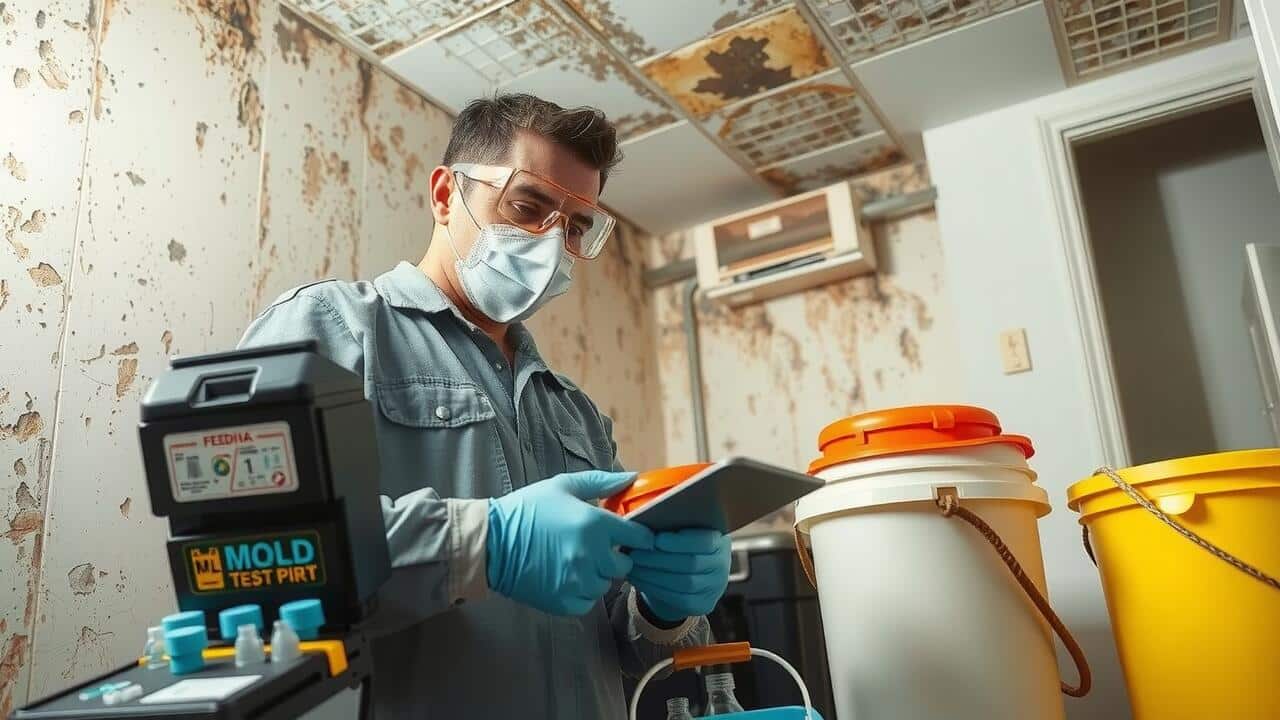
Homeowners often seek “Mold Remediation near me” to find professionals equipped to identify mold species. An expert can conduct air quality tests and surface sampling to determine the type of mold and level of contamination. This detailed analysis not only helps in tailoring an effective removal plan but also guides in preventing future infestations. Understanding the characteristics of different molds allows for a more informed response when addressing a mold problem.
How to Recognize Different Mold Species
Recognizing different mold species often begins with observing their color and texture. Common types include black mold, which is typically dark and has a slimy appearance, and green mold, which can present as fuzzy patches. Additionally, some molds may appear white or yellow, with a powdery texture. Each species exhibits unique traits, so familiarizing oneself with these characteristics can aid in identification.
In some cases, visual recognition might not be sufficient, particularly if a mold species is hidden from view. Professional testing can identify specific types and assess potential health risks. When facing a serious mold issue, searching for “Mold Remediation near me” can connect homeowners with experts to conduct thorough inspections and necessary treatments. Prompt action can minimize damage and safeguard health, making early detection imperative.
Professional Mold Remediation Services
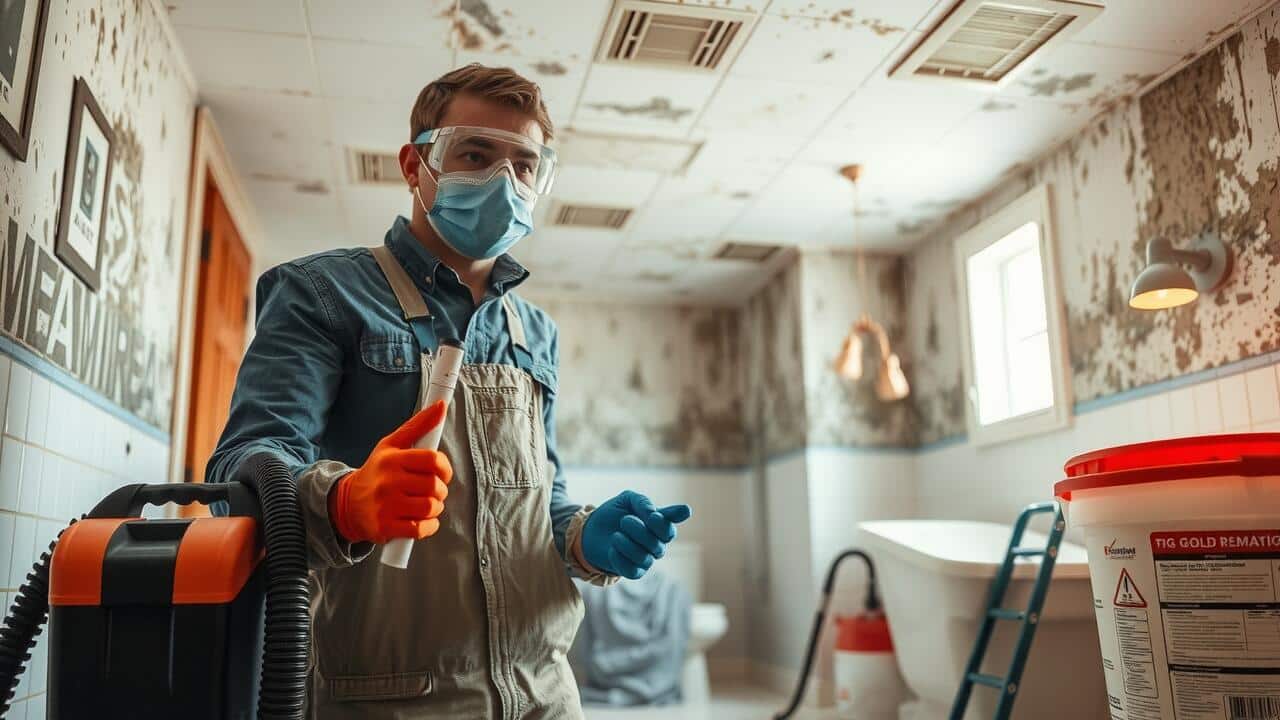
Professional mold remediation services offer essential support for homeowners facing significant mold issues. These experts are trained to assess the extent of mold contamination and employ effective methods to remove it safely. They utilize specialized equipment and techniques to ensure that all mold spores are eliminated and prevent future growth. This process often involves thorough cleaning, air filtration, and moisture control to create an environment that discourages mold returning.
When searching for solutions, terms like “Mold Remediation near me” can lead to local professionals who understand the specific environmental factors in the area. These specialists not only provide removal services but also offer guidance on how to maintain a mold-free home. Their expertise ensures that mold issues are addressed comprehensively, giving homeowners peace of mind and a healthier living space.
When to Hire an Expert for Mold Removal
Knowing when to seek professional help for mold removal is crucial. If you notice extensive mold growth or if the affected area exceeds ten square feet, it’s a clear signal that expert intervention is necessary. Mold can spread quickly and may pose health risks, making it essential to address large infestations promptly. Additionally, if the mold has penetrated walls or ceilings, tackling the issue on your own could prove ineffective and risky.
Another indicator that you should hire an expert is experiencing persistent musty odors or respiratory issues in your home. These symptoms often signal hidden mold growth that may not be visible. Professional services can conduct thorough inspections and offer specialized solutions tailored to your situation. Searching for “Mold Remediation near me” can connect you with qualified professionals who have the experience and tools to safely eliminate mold and prevent future occurrences.
FAQS
What substances are effective at killing 100% of mold?
Substances such as hydrogen peroxide, vinegar, and specialized mold removal products can effectively kill mold. However, it’s important to note that complete eradication may depend on the mold species and surface conditions.
Is bleach effective for killing mold?
While bleach can kill mold on non-porous surfaces, it does not penetrate porous materials, and mold roots can remain. Therefore, it is not considered a 100% effective solution for all mold situations.
Can natural remedies kill mold completely?
Some natural remedies, like tea tree oil and vinegar, can kill certain types of mold, but they may not eliminate 100% of mold spores, especially in severe infestations. Professional treatments may be required for complete removal.
How can I prevent mold from growing in my home?
To prevent mold, keep your home dry and well-ventilated, fix leaks promptly, use dehumidifiers, and clean and dry any wet areas within 24-48 hours to inhibit mold growth.
When should I consider hiring a professional for mold removal?
If you have a large mold infestation, if mold is present in hard-to-reach areas, or if you experience health issues related to mold exposure, it’s best to hire a professional mold remediation service.