Table Of Contents
Tools Required for Duct Sealing
To successfully complete an air duct sealing project, several essential tools are necessary. A high-quality duct tape is crucial, providing an effective temporary seal. Mastic sealant serves as a more permanent solution, filling gaps and cracks in the ductwork. A caulking gun is also needed to apply this sealant effectively. Additionally, a pair of safety gloves is recommended for protection during the sealing process.
Beyond the basic sealing materials, some specialized tools can enhance the efficiency of air duct sealing. A screwdriver set will facilitate the removal and installation of duct covers. A vacuum cleaner or blower can help in clearing dust and debris from the ducts before sealing them. Using a measuring tape ensures accurate assessments of duct dimensions, allowing for precise application of sealing materials.
Essential Equipment for the Job
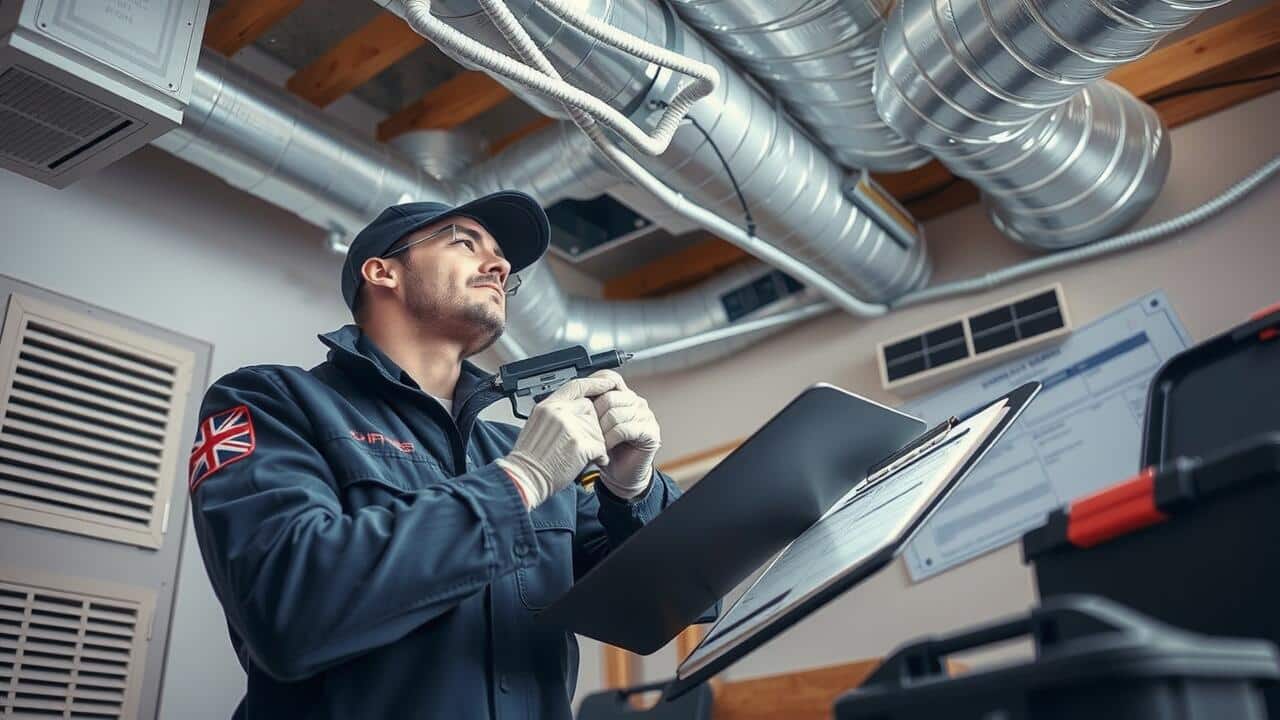
When preparing for Air Duct Sealing, it’s crucial to gather the right tools to ensure a successful job. A high-quality duct tape is essential for securing seams and joints effectively. Additionally, a putty knife can help in applying mastic sealant to areas that need extra attention. A caulking gun will be necessary if you choose to use caulk as part of your sealing strategy. These tools will make the process smoother and more efficient.
Safety gear should also be included in your equipment list. A pair of safety goggles will protect your eyes from dust and debris during the sealing process. Gloves can help prevent skin irritation, especially when working with adhesives. A flashlight might be beneficial for inspecting dark areas of your duct system. Equipping yourself with these essential items ensures a more thorough and safe approach to Air Duct Sealing.
Evaluating Duct Sealing Effectiveness
Assessing the effectiveness of air duct sealing involves several methods that help determine whether the sealing is performing as intended. One common approach is to use a smoke pencil or smoke stick to identify leaks. If smoke escapes from the seams or joints, it indicates poorly sealed areas that require attention. Another evaluation method is the use of a blower door test, which can measure the air pressure in a home and reveal where air is leaking from the duct system.
Additionally, comparing energy bills before and after air duct sealing can provide insight into its effectiveness. A significant drop in costs typically indicates successful sealing, while little to no change may suggest that further work is needed. Regular inspections of the ducts can help maintain their integrity over time. Monitoring airflow and efficiency ensures the air duct system remains sealed and functions optimally.
Testing for Proper Sealing
Testing for proper sealing in air ducts is crucial to ensure optimal performance and energy efficiency. One effective method involves using a blower door test, which measures the airtightness of the entire home. A significant drop in pressure during this test can indicate that air ducts may not be sealed properly, allowing air to escape or enter unwanted areas. Additional testing methods include infrared imaging, which reveals temperature differences and identifies leakage points in the ductwork.
Another approach to evaluate air duct sealing is by performing a smoke test. This technique involves introducing a non-toxic smoke into the duct system. Observing where the smoke escapes will pinpoint any leaks requiring attention. Regular testing not only confirms the effectiveness of air duct sealing but also contributes to lower energy bills and improved indoor air quality. Consistent evaluation ensures that sealing methods remain effective and maintain the system’s efficiency over time.
Cost Considerations for Duct Sealing
When planning an air duct sealing project, it is crucial to consider both the labor and material costs involved. Expenses can vary depending on the size of the ductwork and the complexity of the sealing process. Homeowners may choose to hire professionals for more comprehensive sealing or opt for DIY methods to save money. However, investing in high-quality materials can affect the long-term performance and energy efficiency of the sealing job.
In addition to initial costs, it is wise to factor in potential savings on energy bills over time. Sealing air ducts properly can significantly reduce energy loss, leading to lower heating and cooling costs. Evaluating the return on investment is essential for determining the overall financial impact. A well-sealed air duct system can enhance indoor comfort while offering budgetary relief in the long run.
Budgeting for Sealing Projects
When planning a budget for air duct sealing, it is important to consider both the materials and labor involved. The cost of materials can vary based on the type of sealant used, whether it’s mastic, tape, or spray foam. Additionally, if the sealing requires any repairs to the ducts themselves, this will add to the overall expense. Homeowners should also account for tools needed for the job if they choose to undertake it themselves, which can include sealing tape, caulking guns, and safety equipment.
Labor costs can be significant, especially if hiring a professional is necessary. Rates can fluctuate based on the complexity of the job and the regional market. Obtaining multiple quotes from various contractors helps in understanding the average cost in the area. It is also wise to factor in any potential savings on energy bills that may result from improved sealing. Taking all these aspects into account ensures a comprehensive approach to budgeting for air duct sealing.
FAQS
What materials are best for sealing air ducts?
The best materials for sealing air ducts include mastic sealant, foil-backed tape, and duct sealing strips. Mastic sealant is preferred for its durability and ability to fill gaps, while foil tape is useful for securing joints and seams.
How do I know if my air ducts need sealing?
Signs that your air ducts may need sealing include uneven heating or cooling in your home, increased energy bills, noticeable dust or debris around vents, and audible air leaks when the system is in operation.
Can I seal my air ducts myself, or should I hire a professional?
While sealing air ducts can be a DIY project if you have the right tools and experience, hiring a professional is often recommended for more complicated systems. A professional can ensure a thorough job and identify any underlying issues.
How effective is duct sealing?
Duct sealing can significantly improve energy efficiency, enhance indoor air quality, and increase the overall comfort of your home. When done correctly, it can reduce energy waste by preventing conditioned air from escaping.
What is the average cost of duct sealing?
The cost of duct sealing can vary widely depending on the size of your home, the extent of the sealing needed, and whether you hire a professional. Generally, homeowners can expect to pay between $300 and $1,000 for duct sealing services.