Table Of Contents
Professional vs. DIY Remediation
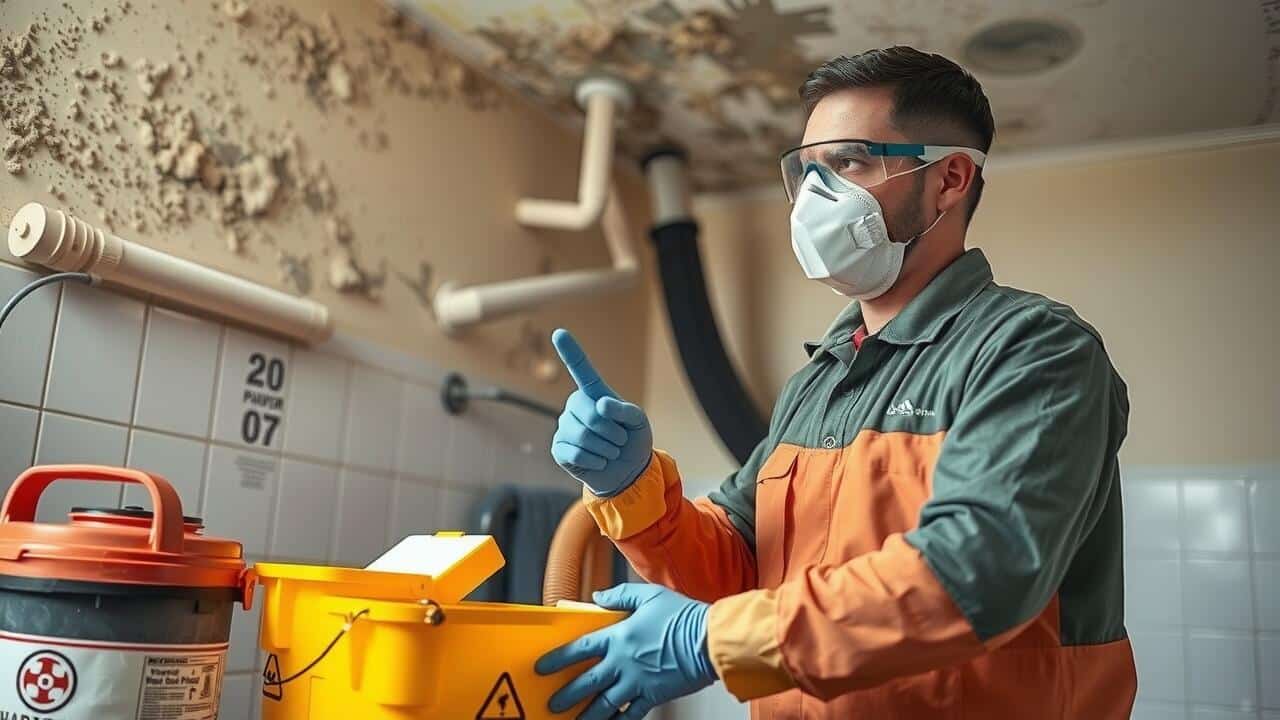
Turning to professional mold remediation services can yield effective results, especially in severe cases. Professionals come equipped with specialized training, tools, and techniques to tackle extensive mold issues. Their expertise often leads to a faster resolution, reducing the risk of further damage and health complications associated with mold exposure. Although hiring professionals can be more expensive, the assurance of comprehensive treatment may outweigh the initial costs.
On the other hand, some homeowners opt for DIY remediation as a way to save money. This approach can be suitable for minor mold infestations, particularly where the growth is limited and can be addressed with commercially available products. However, DIY efforts might not always eliminate the root cause, and there is a risk of improper handling that can worsen the situation. Inadequate remediation can lead to larger mold problems down the road, potentially resulting in higher expenses than the initial savings from a do-it-yourself attempt.
Cost-Benefit Analysis
When considering mold remediation, homeowners often weigh the costs against potential benefits. Professional services typically range from $500 to $6,000 depending on the severity of the infestation and the size of the affected area. DIY options may appear more budget-friendly upfront, but they can lead to higher costs later if mold regrowth occurs due to improper handling. Overlooking proper techniques may result in health issues and further damage, amplifying initial savings into significant expenses.
Investing in professional Mold Remediation offers a thorough approach that ensures both immediate and long-term solutions. Experts employ advanced technology to detect moisture and mold that may be hidden, reducing the risk of future outbreaks. The peace of mind gained, alongside the assurance that the remediation process is conducted safely, often justifies the expense. Additionally, high-quality remediation can enhance property value by addressing underlying issues that could deter potential buyers.
Testing and Inspection Fees
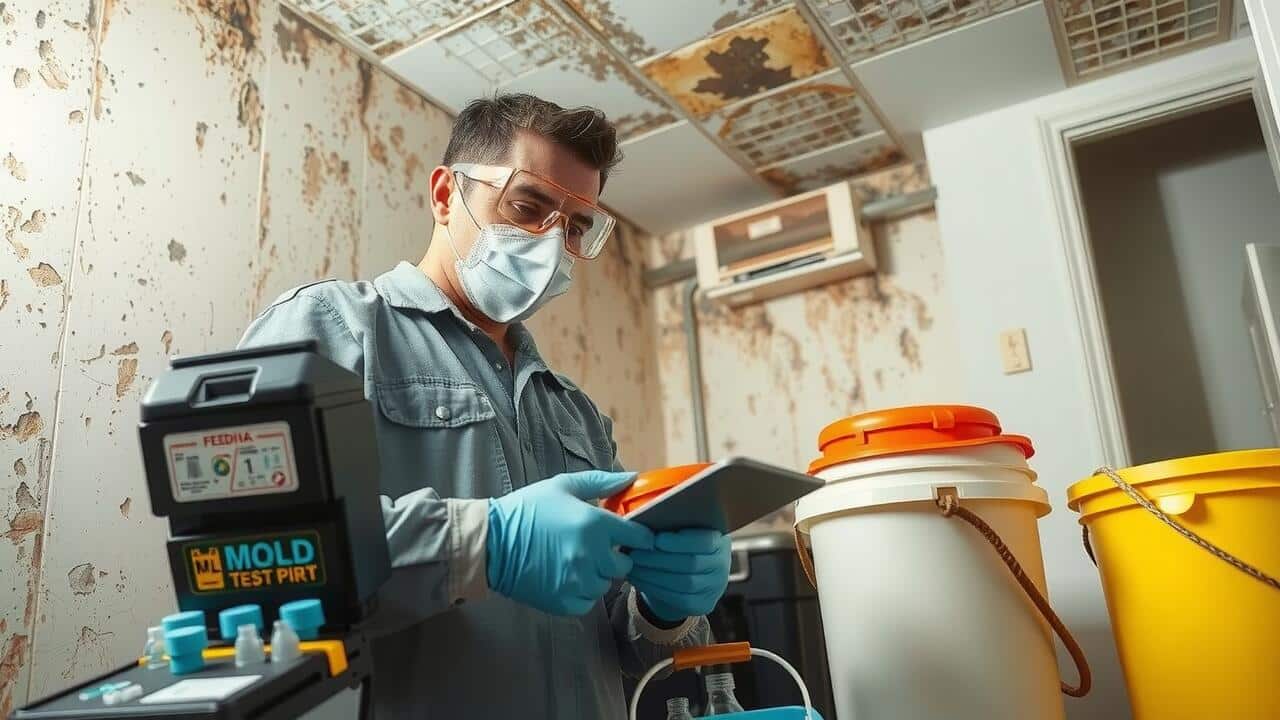
Testing and inspection fees play a crucial role in the overall costs associated with mold remediation. Before any remediation efforts begin, it is essential to determine the extent of the mold problem and identify the types of mold present. Professional inspectors often conduct thorough assessments, which can involve air quality tests and surface sampling. These services help outline the necessary steps for effective remediation and ensure the safety of the inhabitants.
The costs for testing and inspection can vary widely based on the size of the affected area and the complexity of the assessment. Generally, a standard inspection may range from a few hundred dollars to over a thousand, depending on the scope. Investing in thorough testing prior to mold remediation can save homeowners from unexpected expenses later, as it helps to pinpoint the specific issues that need to be addressed during the cleanup process.
Importance of Pre-Remediation Testing
Pre-remediation testing plays a crucial role in the mold remediation process. It helps identify hidden sources of moisture and assesses the extent of mold contamination in a building. Understanding the specific type of mold present can guide the remediation team in choosing the appropriate techniques and materials for effective removal. This initial step prevents unnecessary costs associated with incomplete removal and potential health risks for occupants.
Additionally, pre-remediation testing provides a baseline for future evaluations. Once mold remediation is completed, follow-up testing can confirm the effectiveness of the treatment. Establishing clear results before and after remediation allows property owners to ensure that their spaces are safe and healthy. Moreover, this documentation can be beneficial for insurance claims and real estate transactions, adding value to the property’s overall condition.
Additional Repair and Restoration Costs
Mold remediation often reveals underlying issues that require additional repair and restoration costs. Once mold has been removed, it is essential to assess the property for any structural damage caused by moisture or mold growth. This could involve repairing walls, replacing insulation, and addressing any compromised flooring. Each of these repairs can significantly increase the overall cost of the remediation process.
In some cases, replacing severely damaged materials may be necessary to restore the affected area to its original condition. Homeowners may also need to consider the potential for future mold growth if the surrounding environment is not properly addressed. This includes waterproofing basements or attics and improving ventilation systems. These preventive measures can add to the expenses, but they are vital in ensuring effective mold remediation and protecting the property from further issues.
Structural Damage Assessment
Structural damage assessment is a critical component of any mold remediation process. When mold grows in hidden areas, it can compromise the integrity of building materials such as wood, drywall, and insulation. Inspectors often look for signs of deterioration, including soft spots, warping, or efflorescence in walls and ceilings. This evaluation helps determine the extent of the problem and any necessary repairs beyond the removal of mold.
Costs associated with structural damage may arise from the need to replace affected materials. If significant damage is found, repairs might involve more than just treating the mold itself, leading to higher overall expenses. Homeowners should account for these potential costs when planning for mold remediation, as overlooking structural issues can result in further complications and expenses in the long run.
FAQS
What is the average cost of mold remediation?
The average cost of mold remediation typically ranges from $500 to $6,000, depending on the extent of the infestation, the size of the affected area, and the specific remediation methods used.
Is it better to hire a professional for mold remediation?
While DIY remediation can save money, hiring a professional is often recommended for larger infestations or complex cases, as they have the expertise and equipment to ensure thorough removal and prevent future issues.
What are the additional costs associated with mold remediation?
In addition to the remediation costs, homeowners may incur expenses for repairs, restoration, and potential testing or inspection fees, especially if structural damage is assessed.
Why is pre-remediation testing important?
Pre-remediation testing is crucial because it identifies the type and extent of mold present, helping to determine the most effective remediation strategy and ensuring that all mold is effectively removed.
How can I assess if I need mold remediation?
Signs that you may need mold remediation include musty odors, visible mold growth, or health symptoms such as allergies or respiratory issues. If you suspect a problem, it’s advisable to conduct a thorough inspection and potentially hire a professional for testing.