Table Of Contents
The Role of Infection Control in Cleaning
Infection control plays a vital role in the cleaning protocols of healthcare facilities. Effective healthcare facility cleaning minimizes the risk of healthcare-associated infections (HAIs) by ensuring that surfaces are not only visually clean but also free of harmful pathogens. Routine cleaning and disinfecting procedures must be strictly followed to create a safe environment for patients, visitors, and staff. Implementing these practices helps to break the chain of infection, fostering a culture of safety within the facility.
Collaboration between infection control teams and cleaning staff is essential in establishing effective cleaning protocols. Health professionals can provide valuable insights into high-touch surfaces and areas that require more frequent cleaning. Training cleaning personnel on the specific needs of a healthcare setting enhances their ability to perform tasks effectively. Such cooperation ensures that cleaning practices align with the latest infection control guidelines, ultimately improving the overall health outcomes for patients.
Collaboration Between Cleaning Staff and Healthcare Professionals
Effective collaboration between cleaning staff and healthcare professionals is essential for maintaining a safe and sanitary environment in healthcare facilities. Cleaning staff bring expertise in sanitation protocols, while healthcare professionals provide insights into the specific needs and risks associated with different areas of patient care. This partnership ensures that cleaning tasks are prioritized according to the level of contamination risk, facilitating a more organized and efficient cleaning schedule. Communication channels must remain open, allowing for adjustments based on patient volume and urgency.
Healthcare facility cleaning is not just about maintaining appearances; it plays a critical role in infection prevention. When cleaning staff and healthcare professionals work together, they can identify high-touch surfaces and areas that require frequent disinfection. Such collaboration fosters a culture of safety and responsibility, as everyone becomes aware of their roles in keeping the facility clean and minimizing the risk of healthcare-associated infections. Regular meetings and training sessions can enhance this teamwork, promoting an atmosphere of shared goals and commitment to patient safety.
Best Practices for Effective Cleaning
Effective cleaning in a healthcare facility requires adherence to established protocols and best practices to minimize the risk of infection. Cleaners should prioritize high-touch surfaces, ensuring they receive regular and thorough attention. Employing a systematic approach, such as cleaning from the top down and ensuring the use of appropriate cleaning agents, enhances overall effectiveness. Consistent monitoring and adjustment of cleaning practices based on evolving infection control guidelines can further improve outcomes.
Proper training for cleaning staff is essential in maintaining high standards of cleanliness within healthcare facility cleaning. Staff must be knowledgeable about various cleaning agents, including their proper applications and safety precautions. Utilizing color-coded cleaning supplies can help prevent cross-contamination among areas and equipment. Furthermore, regular assessments of cleaning practices ensure that staff adhere to the highest hygiene standards, ultimately fostering a safer environment for both patients and healthcare personnel.
Utilizing Proper Cleaning Agents and Equipment
Utilizing appropriate cleaning agents and equipment is vital in maintaining the standards of healthcare facility cleaning. Different surfaces and environments within a healthcare setting require specific types of disinfectants to effectively reduce microbial presence. For example, high-touch areas often demand stronger agents to combat the rapid spread of infections. It is essential for staff to clearly understand the properties of each cleaning agent and their specific applications to ensure maximum efficacy.
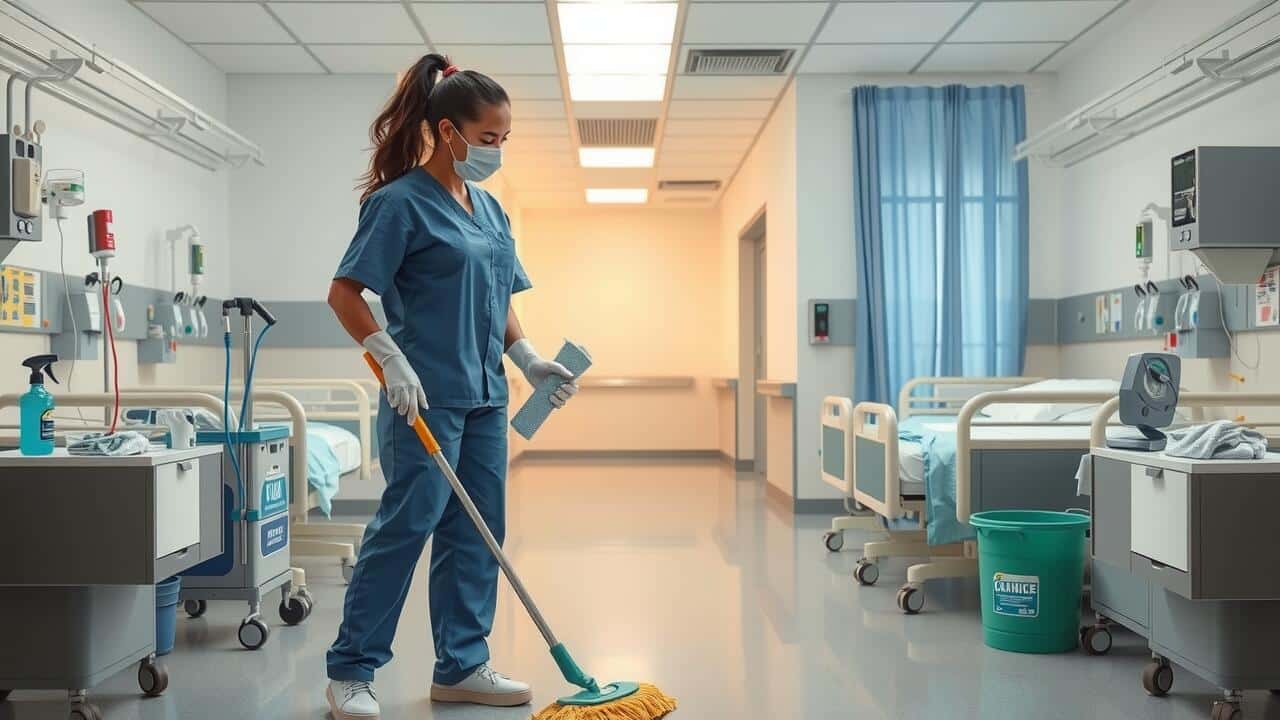
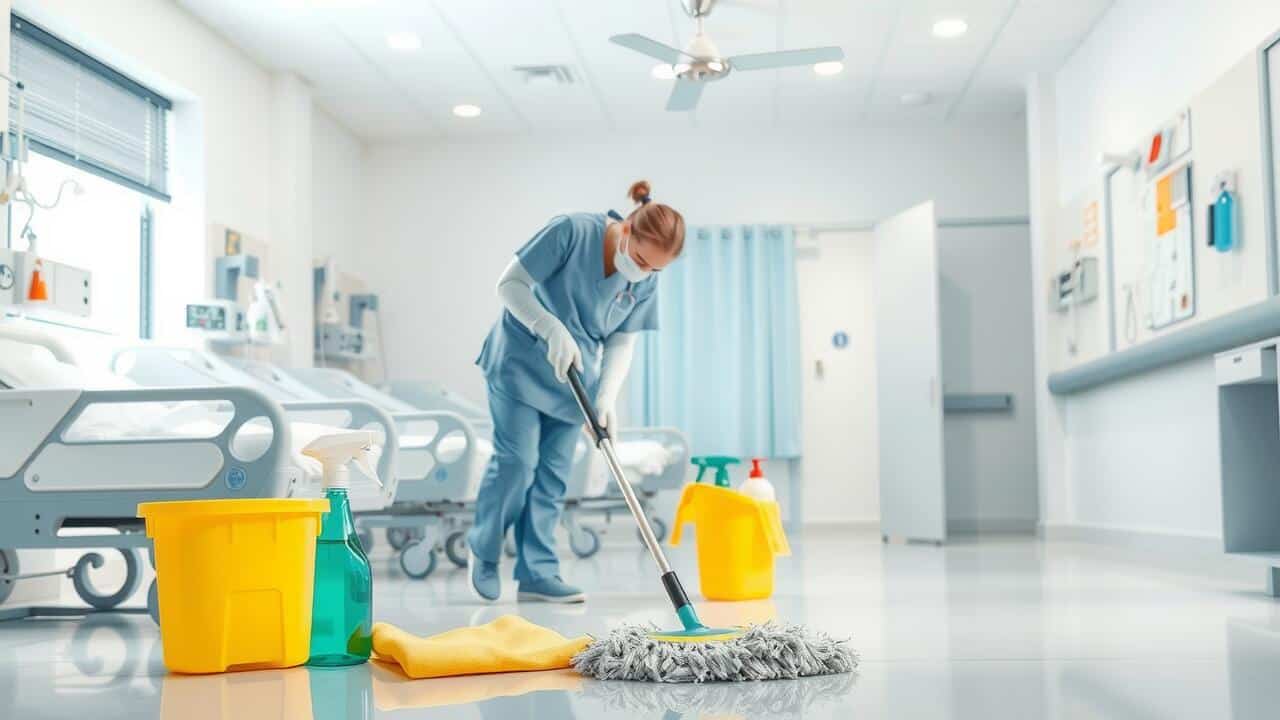
In addition to the right cleaning agents, the use of proper equipment plays a crucial role in the overall cleaning process. Items such as microfiber cloths and specialized mops help capture dirt and pathogens more effectively than traditional methods. Additionally, using equipment designed for healthcare settings, like automatic scrubbers, can enhance efficiency and consistency in cleaning practices. Proper training in both the selection and use of agents and equipment allows cleaning staff to perform their duties effectively while supporting a safe environment for patients and healthcare professionals.
Training and Education for Cleaning Staff
Training and education play a crucial role in ensuring that cleaning staff are well-equipped to maintain high standards in healthcare facility cleaning. Comprehensive training programs should cover essential techniques, safety protocols, and best practices specific to the healthcare environment. Staff members need to understand the importance of infection control and the impact of their work on patient safety. This foundational knowledge helps foster a culture of cleanliness and vigilance.
Ongoing education is equally important. Regular updates about infection control, new cleaning technologies, and changes in healthcare regulations keep staff informed and engaged. Workshops and hands-on training sessions can enhance the skills of cleaning personnel, ensuring they are proficient in using the appropriate cleaning agents and equipment. By investing in the development of cleaning staff, healthcare facilities can improve overall cleanliness and contribute to better patient outcomes.
Essential Skills and Knowledge Required
Essential skills and knowledge for effective healthcare facility cleaning play a critical role in maintaining a safe environment. Cleaning staff must understand the specific protocols and standards set by healthcare organizations to prevent the spread of infections. This includes knowledge of high-touch surfaces and the appropriate cleaning techniques required for various areas. Familiarity with the characteristics of different cleaning agents is vital, as not all products are suitable for every surface or situation.
In addition to technical knowledge, cleaning personnel should possess strong communication skills to collaborate effectively with healthcare professionals. Understanding the guidelines for infection control is essential, as this knowledge informs cleaning practices that directly impact patient safety. Continuous education and training ensure that staff remain updated on the latest cleaning techniques, products, and regulations within the healthcare setting, thereby enhancing overall hygiene standards.
FAQS
What are the three levels of cleaning in a healthcare facility?
The three levels of cleaning in a healthcare facility are: 1) Routine cleaning, which involves daily cleaning tasks to maintain a basic level of cleanliness; 2) Disinfection, which involves using chemical agents to reduce the number of pathogens on surfaces; and 3) Sterilization, which is the complete elimination of all microorganisms, typically applied to surgical instruments and equipment.
Why is infection control important in cleaning?
Infection control is crucial in cleaning because it helps prevent the spread of healthcare-associated infections (HAIs). Effective cleaning practices reduce the risk of pathogen transmission, ensuring a safer environment for patients, staff, and visitors.
How can cleaning staff collaborate with healthcare professionals?
Cleaning staff can collaborate with healthcare professionals by maintaining open communication regarding cleaning schedules, understanding specific cleaning needs for different areas, and participating in training sessions that inform them about infection control protocols and patient safety measures.
What are some best practices for effective cleaning in healthcare settings?
Best practices for effective cleaning include using appropriate cleaning agents and equipment, following established cleaning protocols, ensuring thorough training for cleaning staff, and regularly evaluating and updating cleaning procedures based on the latest guidelines and research.
What essential skills and knowledge should cleaning staff possess?
Cleaning staff should have knowledge of infection control principles, be trained in the proper use of cleaning agents and equipment, understand the specific cleaning requirements of healthcare environments, and possess good communication skills to work effectively with healthcare teams.