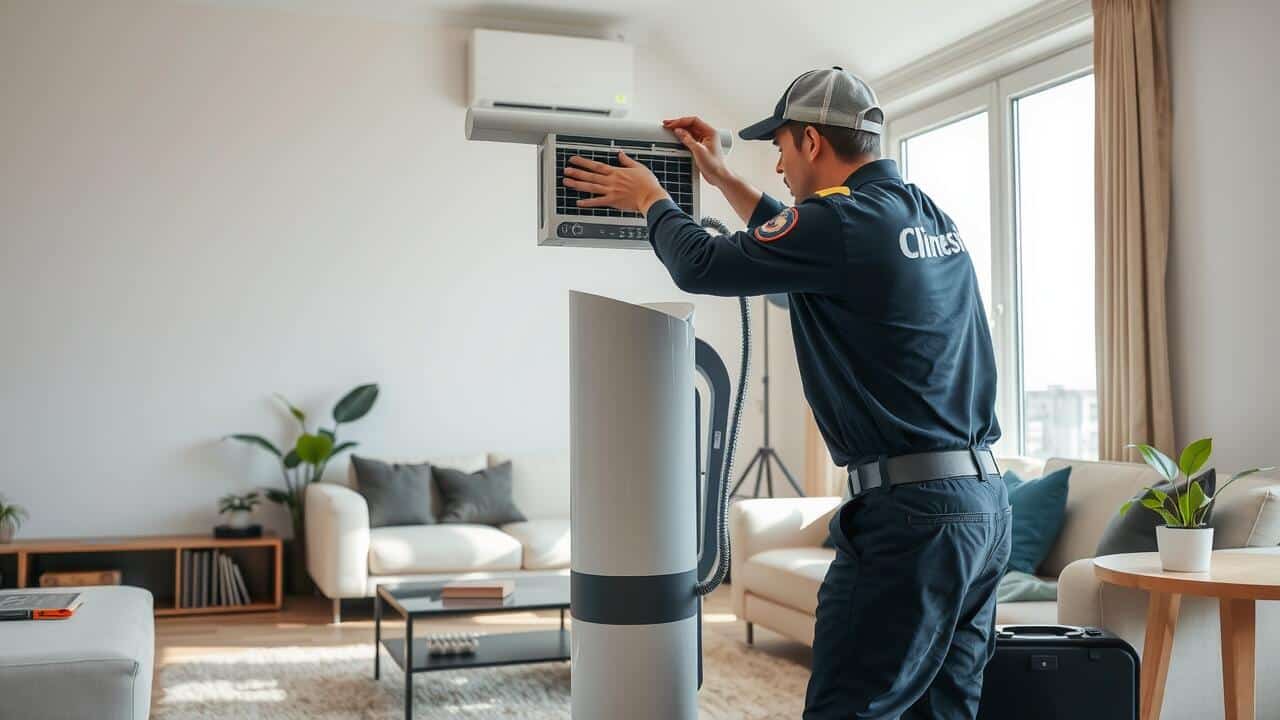
At One Step Air Duct Cleaning Dallas, we specialize in professional air purifier installation to enhance your indoor air quality and promote a healthier living environment. Our team of experienced technicians is dedicated to helping you select the right air purification system tailored to your specific needs. We ensure that each installation is completed efficiently and effectively, allowing you to breathe easier while reducing allergens, dust, and various pollutants in your home. With our commitment to exceptional customer service and quality workmanship, you can trust us to provide a seamless installation experience that transforms your living space into a fresher, cleaner oasis.
Maintenance Tips for Air Purifiers
Regular maintenance of air purifiers is crucial to ensure they function effectively. Clean or replace filters according to the manufacturer’s recommendations, as clogged filters can restrict airflow and reduce the device’s ability to trap pollutants. HEPA filters are particularly effective at capturing fine particles, including dust, pet dander, and allergens. Also, monitor the air quality in your indoor environment to determine if adjustments to your filtration system are necessary, especially during high pollen seasons or in households with pets.
In addition to filter care, check for any dirt or debris accumulation on the exterior of the unit and around its intake vents. This buildup can hinder performance and may even introduce new pollutants into the airflow. Make sure the room is well-ventilated and that the air purifier is placed in an optimal location, away from walls or furniture that could obstruct airflow. Cleaning the interior components, including UV lights and activated carbon filters, as specified in the user manual, will enhance the appliance’s overall efficiency and effectiveness in maintaining indoor air quality.
Keeping Your Air Purifier Efficient
Regular maintenance is essential for ensuring optimal performance from your air purifier. One key aspect involves cleaning or replacing filters according to the manufacturer’s recommendations. A clogged filter can restrict airflow and reduce the device’s efficiency in removing airborne contaminants such as volatile organic compounds, tobacco smoke, and dust. Monitoring the filter’s condition is simple, and following guidelines from organizations like the American Lung Association can help maintain cleaner air in your living space.
Humidity control also plays a crucial role in the efficiency of your air purification system. High humidity levels can promote the growth of mold and bacteria, making it vital to use a dehumidifier if necessary. Additionally, keeping your purifier away from curtains and other obstructions allows for better airflow. Utilizing features like Wi-Fi connectivity or smart home integration can further enhance its effectiveness by enabling timely reminders for maintenance and filter replacements, ensuring you enjoy healthier living indoors.
Replacement Filters and Their Importance
Replacement filters play a crucial role in maintaining the effectiveness of air purifiers. These filters capture airborne particles, including common allergens like dust, pollen, and pet dander, ensuring a cleaner living environment. High-efficiency particulate air (HEPA) filters are often considered the gold standard due to their ability to trap particles as small as 0.3 microns. The cleanliness of indoor air can significantly impact health, particularly for those with respiratory issues or weakened immune systems.
Choosing the right replacement filter is essential for optimal performance. Various brands offer filters with different ratings, including the Minimum Efficiency Reporting Value (MERV), which indicates the filter’s efficiency at trapping particles. Regular inspections and timely replacements help prevent the buildup of organic compounds and pollutants inside the unit. Not addressing filter replacements can lead to decreased air quality and increased noise levels as the system struggles to function. Proper maintenance extends the lifespan of the air purifier and ensures it effectively removes harmful substances from the air.
Choosing the Right Replacement Filters
Selecting the appropriate replacement filters is crucial for maintaining optimal air purification performance in your HVAC system. Filters come in various types, such as HEPA filters, which are known for their ability to capture fine particulate matter including PM2.5 and airborne allergens. When choosing a filter, pay attention to the Minimum Efficiency Reporting Value (MERV) rating, as this indicates the filter’s ability to trap different sizes of particles. Additionally, consider specialized filters such as those incorporating ultraviolet light or photocatalytic technology, which can help reduce mold growth and neutralize volatile organic compounds (VOCs).
Be mindful of compatibility with your existing air conditioning system and the type of pollutants you aim to eliminate from your indoor environment. For example, if you live in an area affected by wildfires, a filter designed specifically for smoke and odors would be beneficial. Always consult your HVAC unit’s manual to ensure you select filters that match its specifications. Regularly changing filters not only improves indoor air quality but also enhances the efficiency of the entire HVAC system, helping to eliminate airborne contaminants effectively.
Cost Considerations for Installation
When planning for the installation of air purifiers, several key cost factors come into play. Initial expenses often include the price of the unit itself, along with any necessary installation fees. Depending on the model and features, such as MERV ratings and HEPA filters, costs can vary significantly. For instance, higher-rated filters designed to capture ultrafine particles tend to be more expensive but provide improved air quality, which may justify the investment. Additionally, incorporating options like activated charcoal for odor removal can add to the total, especially if customized solutions are required for specific contaminants.
It is essential to factor in long-term costs as well, such as maintenance and replacement filters. Regular upkeep is critical to ensure efficiency, especially for units expected to handle high air changes per hour. Budgeting for these ongoing expenses helps maintain thermal comfort and air quality in any environment. Understanding the range of options available, including standard blaster fans or specialized air scrubbers, allows homeowners to choose a system that not only fits their immediate financial situation but also meets future needs given escalating concerns about outdoor air pollution and contamination risks.
Breakdown of Installation Costs
The cost of installing an air purifier can vary significantly based on several factors. First, there are the basic expenses associated with the unit itself, which depends on its size, features, and brand. Higher-end models with advanced filtration technologies, such as ionization or HEPA filters, typically command a higher price. Additionally, installation fees must be considered, especially if the system requires integration into existing air handlers or ductwork. Labor costs may fluctuate based on local market rates or whether the installation is being done in a complex, such as an apartment building versus a single-family home.
Hidden fees can sometimes arise during the installation process. Costs related to building materials, such as air ducts or weatherstripping, can add to the total. If the installation involves retrofitting an existing system, expenses for extra components, like power supply cords or seals, may also be incurred. It’s wise to conduct an inspection of the installation site to anticipate any additional needs. Ensure that any quotes obtained reflect all potential costs, including transport and tax, to avoid surprises.
FAQS
How often should I replace the filters in my air purifier?
It’s generally recommended to replace the filters in your air purifier every 6 to 12 months, but this can vary based on the model and usage. Check the manufacturer’s guidelines for specific recommendations.
What are the signs that my air purifier needs maintenance?
Some signs that your air purifier may need maintenance include reduced airflow, strange noises, or if the filter replacement indicator light is on. Regularly checking the filter and cleaning the unit will help maintain efficiency.
Are there specific filters I should look for when replacing my air purifier filters?
Yes, it’s important to choose filters that are compatible with your specific air purifier model. Look for HEPA filters for capturing particulate matter, and consider activated carbon filters for odor removal.
What factors affect the cost of air purifier installation?
The cost of air purifier installation can be influenced by factors such as the type of unit being installed, labor costs in your area, and any additional ductwork or modifications required for optimal performance.
Can I install an air purifier myself, or do I need a professional?
Many air purifiers are designed for easy installation and can be set up by the homeowner. However, for whole-house systems or complex installations, hiring a professional may be advisable to ensure proper setup and functionality.