Table Of Contents
Insulation Installation Process
The insulation installation process begins with a thorough assessment of the existing insulation. Homeowners should identify the types of materials currently in place and evaluate their effectiveness. Properly analyzing areas where heat loss occurs will inform decisions about insulation replacement. Essential tools like measuring tapes, safety gear, and air sealing materials may be necessary for an effective installation.
Once the assessment is complete, the next step involves removing the old insulation, ensuring safety protocols are followed. After clearing the space, it’s crucial to address any air leaks or moisture issues before installing new insulation. The choice of insulation material can significantly impact energy efficiency and indoor comfort. Appropriate installation techniques, such as ensuring a tight fit and minimizing gaps, will maximize the performance of insulation replacement.
Steps to Properly Install New Insulation
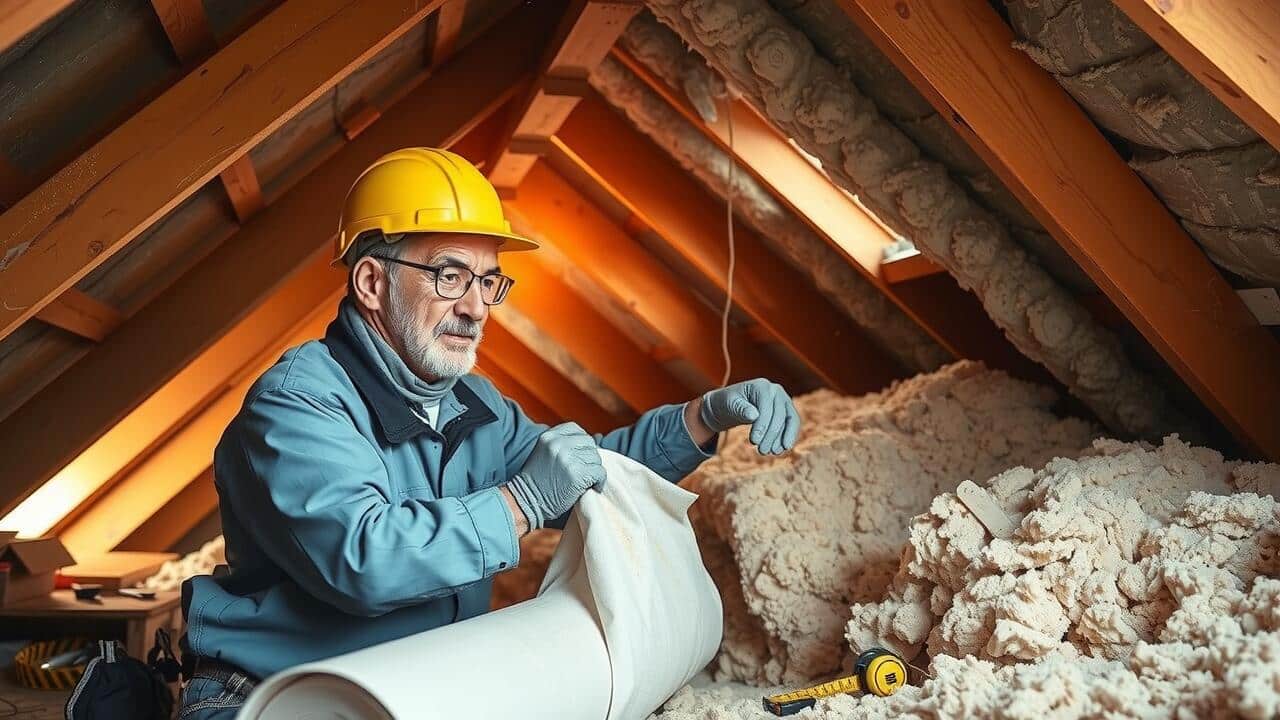
Proper installation of new insulation requires careful preparation and the right tools. Begin by clearing the area where insulation replacement will occur. This includes removing any old material that is damaged or inefficient. Ensure safety by wearing protective gear such as gloves and eyewear. Measure the space accurately to determine the amount of new insulation needed. Selecting the right type of insulation will depend on the specific area, climate, and building codes.
After preparing the space, proceed to cut the new insulation to fit snugly between the joists or wall studs. Ensure there are no gaps, as this can affect the insulation’s overall effectiveness. Installation may involve using a stapler for batts or rolls in unfinished spaces. For spray foam insulation, following the manufacturer’s instructions is crucial for achieving proper coverage. Once the insulation replacement is complete, it is advisable to seal any openings and apply a vapor barrier if necessary, ensuring optimal energy efficiency and moisture control in the home.
DIY vs. Professional Insulation Replacement
When considering insulation replacement, many homeowners weigh the option of a DIY project against hiring a professional. A DIY approach can provide significant cost savings, especially for those who possess basic home improvement skills. Tasks like measuring, cutting, and placing insulation may seem straightforward. Homeowners can take their time, work at their own pace, and potentially learn valuable skills along the way.
However, professional insulation replacement offers several benefits that might outweigh the initial savings of a DIY project. Experts bring experience and specialized knowledge to the table, ensuring the insulation is installed correctly and efficiently. They can quickly identify potential issues within the space, such as moisture problems or ventilation needs, which an untrained eye might overlook. This expertise can not only enhance the performance of the insulation but also increase the overall energy efficiency of the home.
Evaluating When to Hire an Expert
When considering insulation replacement, evaluating the complexity of the project is crucial in deciding whether to hire an expert. If the installation involves working in tight spaces or requires specialized tools, the skills of a professional can save time and ensure safety. Additionally, older homes may present unique challenges such as outdated materials or hidden issues that a trained specialist can adequately address.
Cost can also be a determining factor in whether to enlist professional help. While DIY projects may seem more budget-friendly, the potential for mistakes might lead to higher expenses in the long run. An expert can provide a detailed estimate and often offer warranties on their work, which adds peace of mind. Weighing these considerations will help homeowners make informed choices regarding insulation replacement.
Environmental Impact of Insulation
The choice of insulation material significantly influences a building’s overall environmental footprint. Traditional materials often come with high levels of energy consumption during production and can have detrimental effects during disposal. Upgrading to more eco-friendly insulation options can reduce greenhouse gas emissions. This makes insulation replacement not just a necessity for energy efficiency but also an opportunity to promote sustainability.
Choosing sustainable insulation materials can provide long-term benefits for both the environment and homeowners. Products made from recycled content or renewable resources minimize reliance on fossil fuels. Additionally, they often require less energy to produce. By investing in environmentally friendly insulation during replacement, homeowners contribute to reduced energy usage and lower utility bills while supporting the wider movement towards greener construction practices.
Sustainable Insulation Options
Sustainable insulation options have gained popularity as homeowners become more environmentally conscious. Materials like cellulose, made from recycled paper, offer excellent thermal performance while minimizing waste. Other alternatives include sheep wool and denim insulation, both of which are biodegradable and reduce reliance on synthetic products. These eco-friendly choices not only help in maintaining temperature but also contribute positively to indoor air quality.
Insulation replacement with sustainable materials often leads to lower energy bills over time. Although the initial investment may be higher compared to traditional options, the longevity and efficiency of these materials can yield substantial savings. Additionally, building codes in many areas encourage the use of sustainable materials, making them a viable and responsible choice for modern construction practices. Homeowners can benefit from potential tax incentives when choosing green building options, further enhancing the appeal of sustainable insulation solutions.
FAQS
How can I tell if my insulation needs to be replaced?
Signs that your insulation may need replacement include significant energy bills, drafts in your home, dampness or mold, and visible wear or damage to the insulation material.
What are the benefits of replacing old insulation?
Replacing old insulation can improve energy efficiency, enhance indoor comfort, reduce noise levels, and potentially increase the value of your home.
Can I replace insulation myself, or should I hire a professional?
While DIY insulation replacement is possible for those with the right skills and tools, hiring a professional is advisable if you are unsure about the process, especially in complicated areas like attics or walls.
What are some sustainable insulation options available?
Sustainable insulation options include cellulose made from recycled paper, sheep’s wool, cotton (denim) insulation, and spray foam made from renewable resources, among others.
How does insulation impact the environment?
Insulation affects the environment by influencing energy consumption in homes; better insulation reduces energy use, leading to lower carbon emissions. Additionally, choosing eco-friendly insulation materials can minimize environmental harm.