Table Of Contents
Creating a Cleaning Schedule
Establishing a comprehensive cleaning schedule is essential for maintaining a safe and hygienic environment in a medical facility. Such a schedule should outline specific cleaning tasks, responsibilities, and frequency for daily, weekly, and monthly duties. This organized approach helps ensure no area is overlooked, promoting better sanitation and reducing the risk of infection. For staff members, clear guidelines on what needs to be done and when create a sense of accountability and efficiency.
When developing a cleaning schedule, it can be helpful to assess the unique needs of the facility. Factors such as patient volume, types of services offered, and areas requiring more attention should all influence the planning process. Utilizing local resources can further enhance the schedule. Searching for “healthcare facility cleaning near me” may lead to professional services that can complement in-house efforts and provide valuable insights into best practices.
Daily, Weekly, and Monthly Tasks
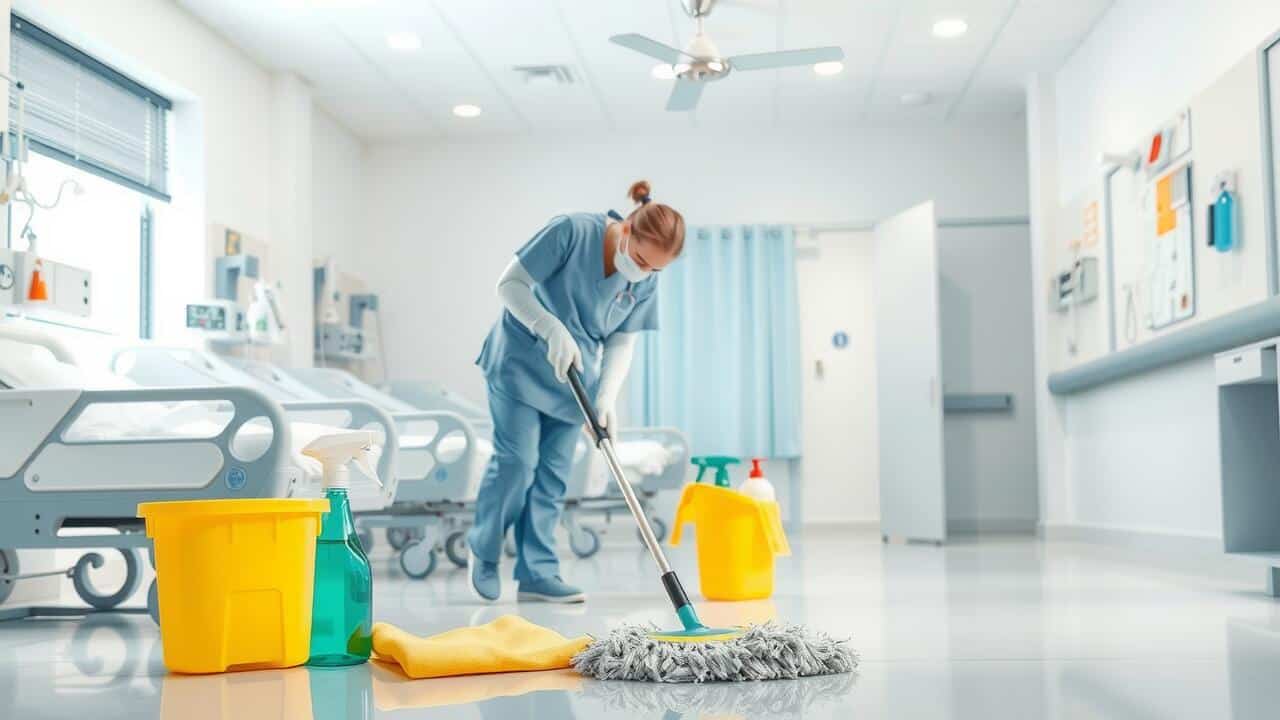
Daily tasks in a medical facility cleaning routine are essential for maintaining a hygienic environment. High-touch surfaces, such as doorknobs, light switches, and handrails, should be disinfected regularly to prevent the spread of infections. Floors need to be swept and mopped daily to remove dust and debris, ensuring that each area remains safe for patients and staff. Additionally, restrooms should receive frequent cleaning to ensure sanitary conditions, as they are critical areas for infection control.
Weekly and monthly cleaning tasks build on the daily efforts and allow for deeper sanitation. Upholstered furniture and carpets must be vacuumed thoroughly to eliminate allergens and dirt. Dusting surfaces, including blinds and vents, contributes to a healthier atmosphere. Monthly, it is important to assess and replenish cleaning supplies to stay prepared. For facilities seeking assistance, searching for “healthcare facility cleaning near me” can provide options to maintain rigorous cleanliness standards.
Training Staff on Cleaning Procedures
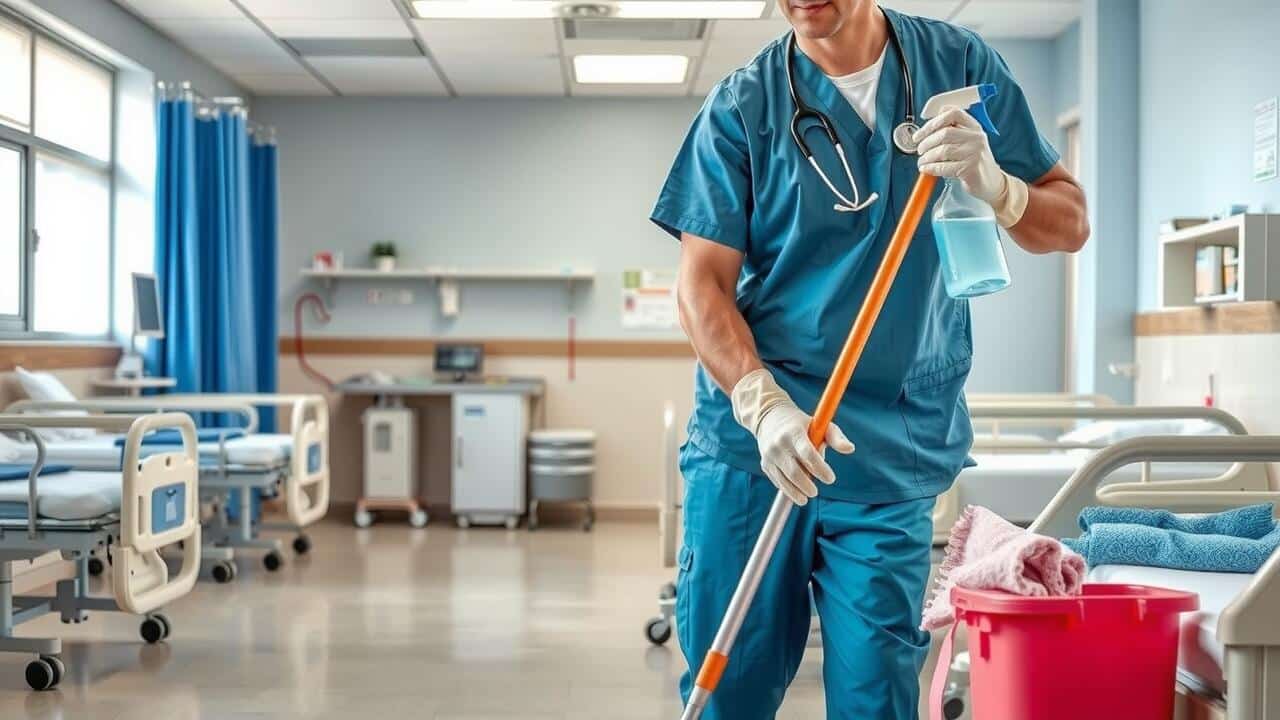
Proper training is essential in ensuring that staff members understand the specific cleaning procedures required for a healthcare facility. Training should cover key areas such as infection control protocols, the correct use of personal protective equipment, and the importance of following standard operating procedures. Hands-on demonstrations can enhance understanding, allowing staff to practice techniques that promote safety and efficiency. Scheduling regular training sessions can help reinforce knowledge and stay updated on best practices.
When searching for “healthcare facility cleaning near me,” it is critical to choose a vendor that prioritizes staff training. A well-trained cleaning team can significantly reduce the risk of cross-contamination and ensure compliance with regulatory standards. Providing ongoing education can empower employees to take pride in their work and understand the impact of their efforts on patient safety and overall facility hygiene. Clear communication of expectations and responsibilities will further enhance the effectiveness of cleaning procedures across the board.
Importance of Proper Training
Proper training is essential in maintaining high cleanliness standards within a healthcare facility. Staff must understand the specific cleaning protocols that prevent contamination and promote patient safety. Regular training sessions ensure that employees stay updated on best practices and changes in health regulations. Knowledge about the correct techniques and processes significantly reduces the risk of errors and enhances the overall effectiveness of the cleaning efforts.
Utilizing the right cleaning products is only part of ensuring a hygienic environment. Staff training should also emphasize the importance of using these products correctly. When personnel know how to properly handle chemicals and tools, they can achieve optimal results without compromising safety. For those seeking assistance, searching for “healthcare facility cleaning near me” can lead to professional services that prioritize staff training and effective cleaning practices.
Using the Right Cleaning Products
Selecting the appropriate cleaning products is crucial for maintaining hygiene and safety standards in a medical environment. It’s essential to choose items that are effective against a wide range of pathogens while also being safe for both patients and staff. Look for products that are approved by relevant health authorities and specifically formulated for healthcare settings. Disinfectants and sanitizers used must meet stringent regulatory requirements to ensure they adequately eliminate harmful bacteria and viruses.
When searching for supplies, consider the unique needs of your healthcare facility. Cost, efficacy, and ease of use are important factors, but so is the potential impact on the environment and people’s health. Investing in eco-friendly and non-toxic solutions can provide a safer atmosphere. You might search for “healthcare facility cleaning near me” to identify local suppliers who offer suitable products for your specific cleaning requirements. Prioritizing the right cleaning agents can help in maintaining a clean and safe environment for everyone involved.
Factors to Consider When Choosing Supplies
When selecting cleaning products for a healthcare facility, it is essential to prioritize disinfectant efficacy. The products should be tested against a broad spectrum of pathogens, including bacteria and viruses commonly found in medical environments. Additionally, confirm that the cleaners are approved by regulatory agencies such as the Environmental Protection Agency (EPA). This ensures that the products are not only effective but also safe for use around patients and staff.
Another critical factor is the environmental impact of the cleaning supplies. Choosing eco-friendly options minimizes chemical exposure and promotes sustainability. Consider which suppliers offer a comprehensive range of environmentally safe products, especially those that align with the specific needs of the facility. For anyone searching for quality options, searching “healthcare facility cleaning near me” can provide nearby sources that offer the necessary supplies while adhering to safety and effectiveness standards.
FAQS
Why is a cleaning schedule important for a medical facility?
A cleaning schedule is crucial for a medical facility as it ensures that all areas are regularly cleaned and maintained, helping to prevent the spread of infections and keeping the environment safe for patients and staff.
What are some daily cleaning tasks in a medical facility?
Daily cleaning tasks typically include disinfecting high-touch surfaces, emptying trash bins, cleaning restrooms, and ensuring that waiting areas and patient rooms are tidy and sanitized.
How often should training on cleaning procedures be conducted for staff?
Training on cleaning procedures should be conducted regularly, especially when new products or protocols are introduced. It’s also beneficial to hold refresher courses to keep staff updated on the latest best practices.
What factors should be considered when choosing cleaning supplies for a medical facility?
Factors to consider include the effectiveness of the product against pathogens, safety for staff and patients, compatibility with surfaces, environmental impact, and whether the product meets regulatory and industry standards.
How can I ensure that cleaning staff follow proper procedures?
Ensuring that cleaning staff follow proper procedures can be achieved through comprehensive training, regular supervision, clear communication of expectations, and implementing a system for monitoring and evaluating cleaning practices.