Table Of Contents
Impact on HVAC System Efficiency
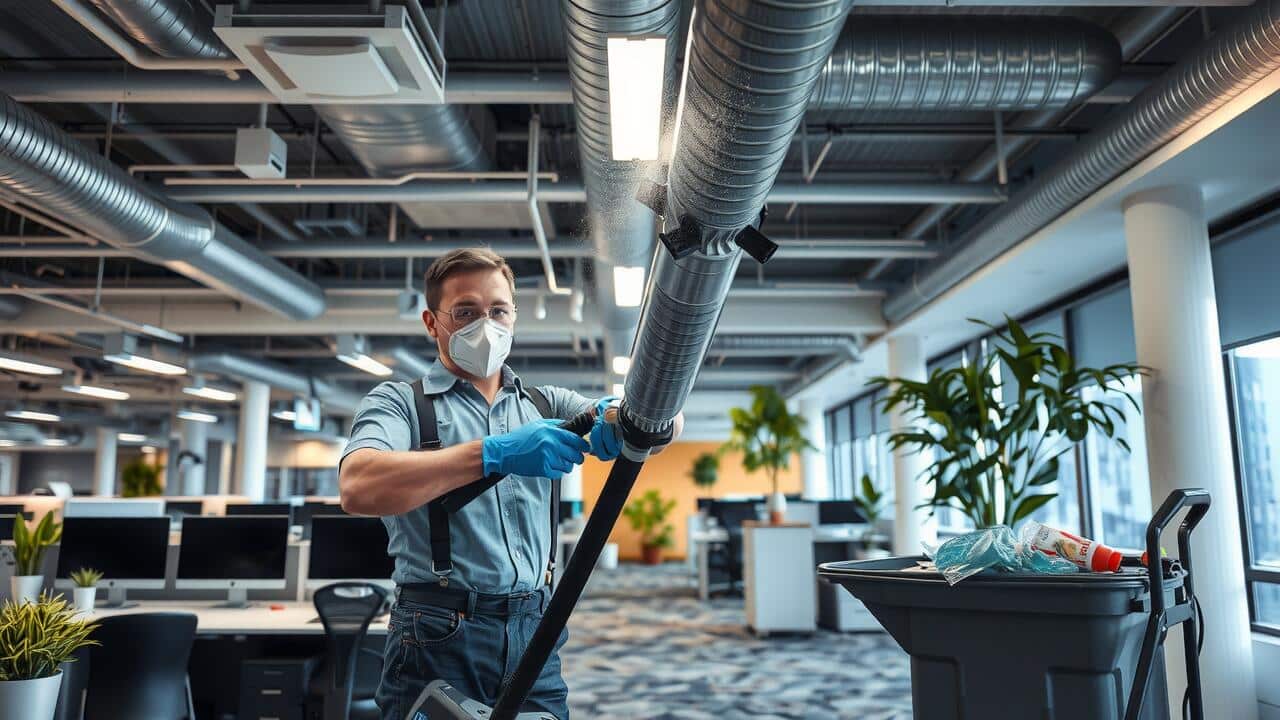
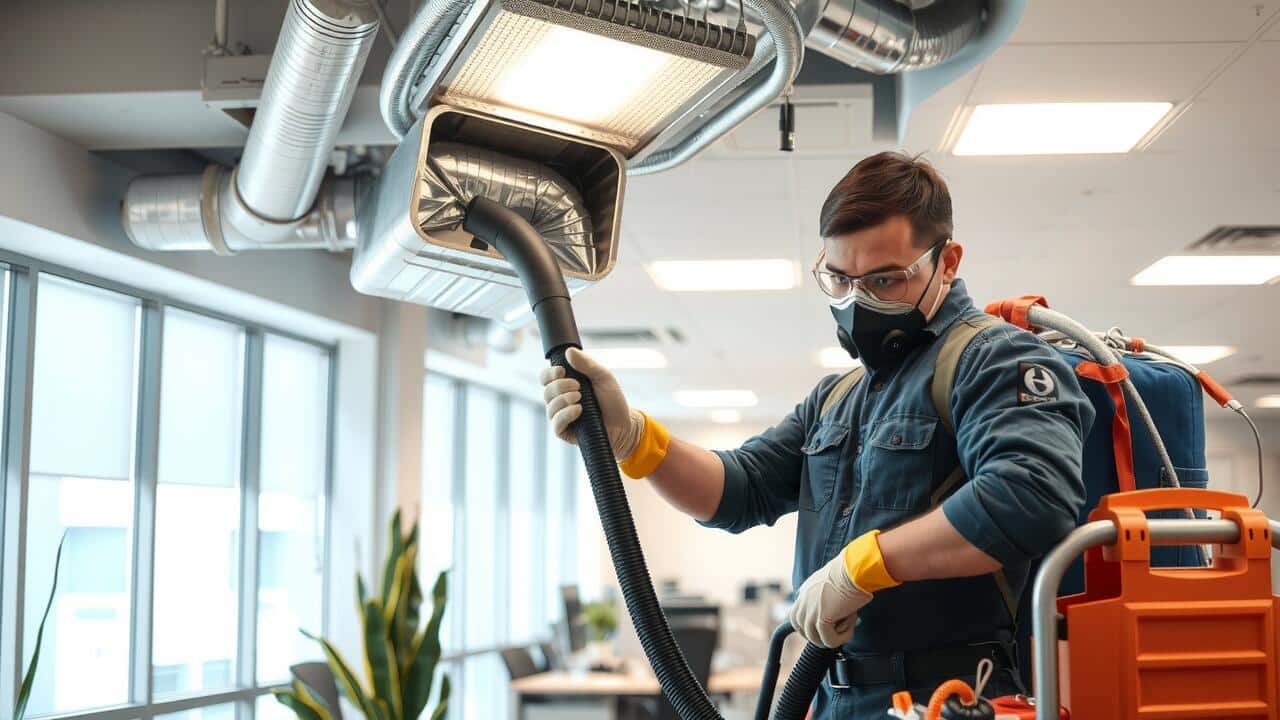
Regular maintenance of air ducts significantly enhances the overall efficiency of HVAC systems. When dust, allergens, and debris accumulate in the ducts, they obstruct airflow and force HVAC units to work harder to maintain the desired temperature. This added strain can lead to increased energy consumption and a shorter lifespan for the system. Office building duct cleaning in a timely manner can help mitigate these issues, allowing the HVAC system to operate smoothly and effectively.
Improved airflow results in a more consistent and comfortable indoor climate, which is essential for productivity in an office setting. Efficient airflow reduces the need for excessive heating or cooling, translating into lower energy bills. Implementing regular office building duct cleaning not only enhances the system’s performance but also contributes to a healthier environment for employees by minimizing the presence of indoor pollutants.
How Duct Cleaning Affects Energy Consumption
Air quality and energy efficiency in an office building are closely linked to the cleanliness of the duct system. Dust, debris, and contaminants can accumulate over time, obstructing airflow and forcing the HVAC system to work harder. This additional strain not only leads to higher energy consumption but can also shorten the lifespan of the equipment. Regular office building duct cleaning in a timely manner reduces these blockages, allowing the system to operate more smoothly and efficiently.
As a result, effective duct cleaning can lead to lower utility bills and a reduced carbon footprint. When air ducts are cleared of buildup, the HVAC system can maintain consistent temperatures without excessive energy use. Additionally, improved airflow contributes to better indoor air quality, benefitting employee health and comfort. Investing in office building duct cleaning in accordance with best practices provides lasting advantages that extend beyond mere energy savings.
Seasonal Considerations for Cleaning
The changing seasons can significantly influence the accumulation of dust, debris, and allergens in an office building’s duct system. During the fall, for example, falling leaves and changing weather conditions may lead to increased pollutants entering the air. Spring, with its pollen and outdoor cleaning routines, also contributes to debris that can clog ducts. Consequently, scheduling office building duct cleaning in these transitional periods can help maintain a healthier indoor environment and improve HVAC efficiency.
Planning duct cleaning around seasonal usage patterns is essential for maximizing effectiveness. Many businesses experience fluctuations in occupancy during the summer and winter months. Scheduling office building duct cleaning in late spring or early fall prepares the HVAC system for the increased demands of heating or cooling, ensuring optimal air quality and performance during peak usage. Being proactive about cleaning can lead to longer-lasting HVAC systems and improved comfort for employees throughout the year.
Best Times of Year for Maintenance
Timing is critical when it comes to office building duct cleaning. The ideal periods are typically before the peak heating and cooling seasons, which allows for a more efficient HVAC operation. Scheduling the cleaning in early spring or late fall ensures that the systems are prepared to handle the increased demand that comes with seasonal temperature changes.
Additionally, planning for office building duct cleaning in these off-peak times can help minimize disruption to daily operations. Employees are less likely to be affected by noise or temporary changes in air quality when duct cleaning is done outside of the busiest work hours. Maintaining a consistent cleaning schedule during these periods contributes to better air quality and energy efficiency throughout the year.
Cost Considerations
Cost considerations play a significant role in determining the frequency and necessity of duct cleaning in an office building. Business owners often weigh the initial investment against potential long-term savings in HVAC efficiency and energy costs. Neglecting routine maintenance can lead to increased energy consumption and higher utility bills, creating a compelling argument for regular cleaning.
When budgeting for these services, it’s essential to factor in not only the cost of actual duct cleaning but also the missed opportunities from inefficient air circulation. Office building duct cleaning in the long run can result in improved indoor air quality, which may reduce employee health issues and absenteeism. Making an informed decision based on cost and benefit analysis helps maximize the overall value of maintaining a clean and efficient HVAC system.
Budgeting for Duct Cleaning Services
When planning the budget for office building duct cleaning, it’s essential to consider several factors that influence the overall cost. The size of the building plays a significant role; larger spaces often require more extensive cleaning, resulting in higher expenses. Additionally, the complexity of the ductwork can affect pricing. If the system features difficult-to-access areas or multiple branches, this may increase labor costs as well. Understanding these variables can help create a more accurate budget for the required services.
It is advisable to schedule office building duct cleaning in advance to avoid unexpected costs. Many service providers offer routine maintenance packages that can save money over time. Budgeting for cleaning on a regular basis, rather than waiting for issues to arise, can lead to better air quality and more efficient system performance. Discussing options with a professional can also provide insights into optimizing your budget for long-term benefits and energy savings.
FAQS
How often should air ducts be cleaned in an office building?
Air ducts in an office building should typically be cleaned every 3 to 5 years, but this frequency can vary based on factors such as building occupancy, local air quality, and specific industry requirements.
What are the signs that my office’s air ducts need cleaning?
Signs that air ducts may need cleaning include visible dust buildup around vents, noticeable odors when the HVAC system is running, an increase in allergy symptoms among employees, and inconsistent air flow from vents.
Can dirty air ducts affect employee health?
Yes, dirty air ducts can contribute to poor indoor air quality, which may exacerbate allergies and respiratory issues among employees. Regular cleaning helps improve air quality and provides a healthier work environment.
Does duct cleaning affect the efficiency of the HVAC system?
Yes, clean air ducts can significantly improve the efficiency of the HVAC system, leading to better airflow, reduced energy consumption, and lower utility bills.
How much does air duct cleaning usually cost for an office building?
The cost of air duct cleaning can vary widely based on the size of the building and the complexity of the ductwork, but it typically ranges from $300 to $1,000. It’s advisable to obtain quotes from multiple service providers for an accurate estimate.