Table Of Contents
Choosing the Right Size Air Purifier
Choosing the right size air purifier is crucial for achieving optimal air quality in your home. Air purifiers are designed to work effectively within a specific room size. If the unit is too small for the area, it may struggle to filter pollutants efficiently. On the other hand, an excessively large purifier can lead to unnecessary energy consumption and increased operating costs. Therefore, assessing the square footage of your space will guide you in selecting a model suitable for your needs.
Air purifier installation in a well-suited location enhances its performance. Placing the unit in an area where air can circulate freely will maximize its efficacy. Consider factors such as furniture placement, air vents, and doorways, as these can influence airflow. A balanced approach ensures that the air purifier operates at peak efficiency while maintaining a comfortable living environment. Properly sizing and installing your air purifier can lead to significant improvements in indoor air quality.
Importance of Room Size
The effectiveness of an air purifier largely depends on its size relative to the room where it will be used. An air purifier that is too small will struggle to effectively clean the air in a large space, leading to fewer benefits. Conversely, a unit that is too large may result in unnecessary energy consumption and increased costs. For optimal performance, selecting an air purifier designed for the specific square footage of the intended area is essential.
Air purifier installation in various room sizes requires careful consideration of the manufacturer’s recommendations. Many purifiers come with specifications outlining the maximum area they can handle efficiently. Adhering to these guidelines ensures that the device operates at its best, delivering cleaner air and improving indoor air quality. Therefore, understanding the dimensions of your space is crucial when planning an installation.
Energy Efficiency and Operating Costs
When considering the total cost of owning an air purifier, it’s essential to factor in energy efficiency and operating expenses. Models that boast energy-efficient features can significantly reduce electricity usage over time. This translates to lower utility bills, which can be especially important for consumers looking to maintain a budget while improving indoor air quality. Air purifier installation in homes often involves selecting units that have been certified by organizations like Energy Star, ensuring that they meet stringent efficiency standards.
Operating costs also encompass maintenance requirements such as filter replacements and occasional servicing. While some filters may be more affordable than others, their lifespan and effectiveness can influence overall expenditure. Homeowners should evaluate these factors when planning for long-term costs associated with air purifier operation. Investing in high-efficiency models during air purifier installation in a home can lead to substantial savings over their lifespan, making them a wise choice for those prioritizing both air quality and energy management.
Long-term Savings with Energy-Efficient Models
Investing in energy-efficient air purifiers can lead to significant long-term savings on energy bills. These models are designed to consume less electricity while maintaining high performance levels. As they operate, their lower energy usage translates directly into reduced utility costs over time. This efficiency becomes especially beneficial in homes where air purifiers run frequently, making the initial investment more appealing.
Air purifier installation in energy-efficient models also often comes with additional incentives, such as tax credits or rebates from energy companies. Homeowners can further enhance their savings by selecting units that have a longer lifespan and require less maintenance. These factors combine to create a compelling case for choosing energy-efficient options, ensuring that both the environment and the household budget benefit in the long run.
Installation Process Overview
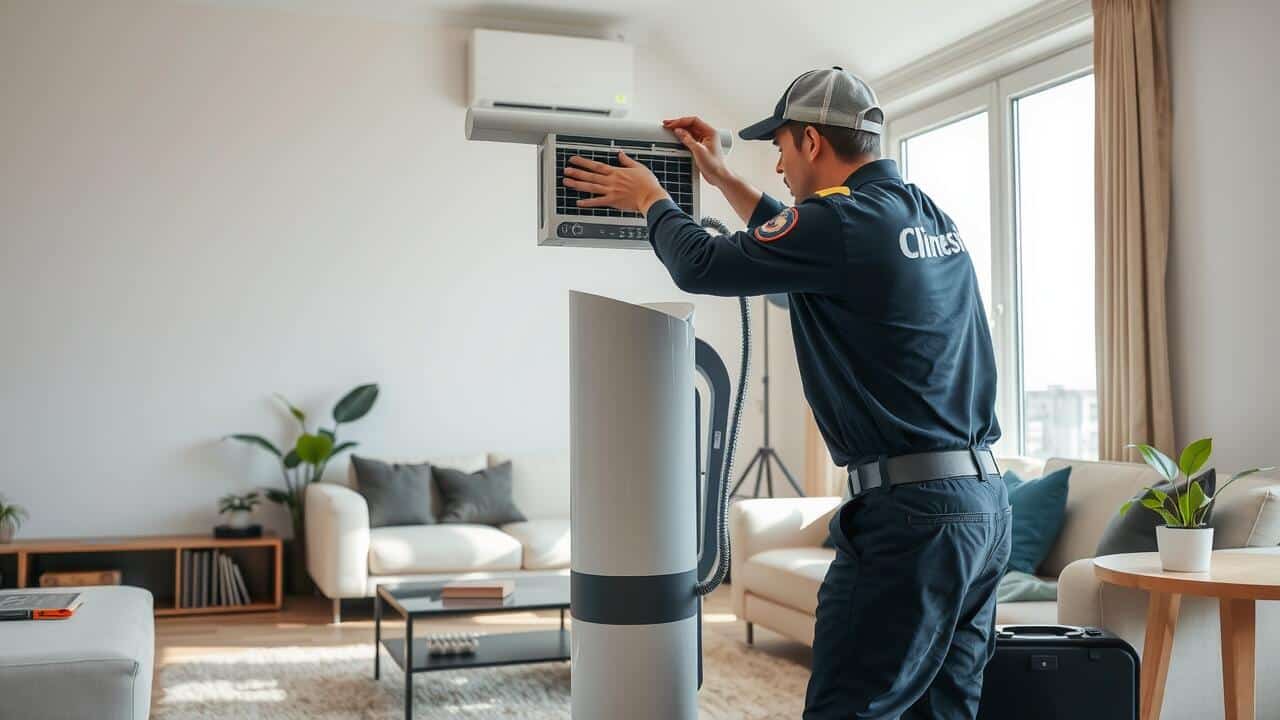
Air purifier installation in your home typically involves a few key steps to ensure proper functionality and maximum efficiency. The first step usually includes selecting the optimal location for the air purifier. This location should allow for adequate airflow and avoid any obstructions that could hinder performance. After identifying the right spot, it’s important to assess the type of venting system in place, especially for larger units that may require external venting.
Once the placement is finalized, the installation process involves connecting the air purifier to power and calibrating any settings necessary for operation. Some models may require additional steps, such as adjusting filters or incorporating smart features that sync with home automation systems. Following the manufacturer’s guidelines ensures not only a successful installation but also optimal usage over the lifespan of the device.
Steps Involved in the Installation
Air purifier installation in residential spaces typically begins with selecting an appropriate location. Ideally, the unit should be placed in a central area where air circulation is optimal. Improper placement can hinder the device’s effectiveness. Ensuring the area is free of obstructions allows the air purifier to function as intended.
Once the site is determined, installation entails securing the unit according to the manufacturer’s guidelines. This may involve plugging it into a power source and setting up any necessary connections. For some models, additional steps like attaching filters or choosing settings may be required. Familiarizing oneself with the specific instructions promotes a smoother installation process and enhances performance.
FAQS
What factors influence the cost of installing an air purifier?
The cost of installing an air purifier can be influenced by several factors, including the type and size of the air purifier, labor costs, any necessary modifications to your ventilation system, and additional features such as smart technology or specialized filters.
Are there different costs for different types of air purifiers?
Yes, different types of air purifiers, such as HEPA, activated carbon, and UV purifiers, come with varying price points. Generally, HEPA air purifiers tend to be more expensive due to their advanced filtration capabilities, while basic models may be more affordable.
Do energy-efficient air purifiers cost more to install?
While energy-efficient air purifiers may have a higher upfront cost, they can lead to long-term savings on energy bills. Therefore, it’s often worth considering the overall cost of ownership rather than just the initial installation price.
Is professional installation necessary for air purifiers?
Professional installation is not always necessary, especially for portable or standalone models. However, for whole-home systems that require integration into existing HVAC systems, it is recommended to hire a professional to ensure proper installation.
How can I determine the right size air purifier for my space?
To determine the right size air purifier, you should consider the square footage of the room, the height of the ceilings, and any specific air quality issues you may have. Most manufacturers provide guidelines and specifications for their products to help you choose the appropriate model.