Table Of Contents
Visual Inspection Techniques
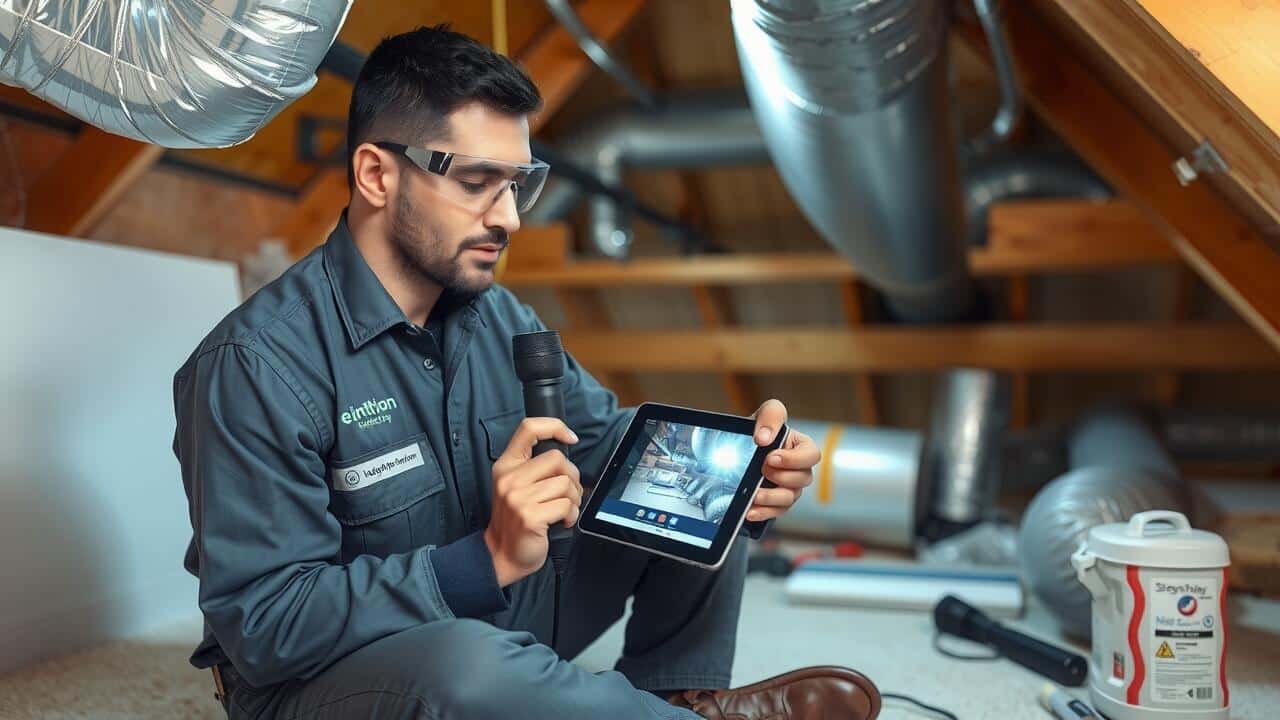
Visual inspections play a crucial role in identifying potential issues within ductwork. An initial walk-through can reveal visible signs of wear, damage, or poor installation. Look for signs like dislocated joints, sagging ducts, or signs of vermin. Areas where insulation appears damaged can also be easily spotted during a visual check. Using proper lighting will enhance visibility, making it simpler to assess the condition of the ducts.
For a more thorough examination, Air Duct Video Inspection technology offers a detailed view of the interior condition. This method utilizes a camera to capture real-time footage, allowing for the detection of blockages, mold growth, and corrosion that might not be visible otherwise. This technique improves accuracy in assessing the overall duct system, informing necessary maintenance or repairs. Utilizing video inspection can help prioritize issues and ensure a comprehensive understanding of the ductwork’s condition.
What to Look for During a Visual Check
A thorough visual check of your ductwork can reveal essential information about its condition. Look for signs of damage such as dents, separation at the joints, or crumpled sections. Dust accumulation or debris inside can also indicate airflow issues. Pay attention to areas where the ducts are connected to vents or registers, ensuring that everything appears secure and properly sealed. These observations can help you identify potential problem areas that may need further attention.
For a more detailed assessment, consider using Air Duct Video Inspection technology. This method allows you to see inside the ductwork, exposing hidden issues such as mold growth, rust, or excessive dust buildup. Observing the interiors of the ducts can provide useful insights into airflow efficiency and overall cleanliness. Utilizing this technology enhances your ability to maintain a healthy indoor environment while improving energy efficiency in your home or building.
Checking for Leaks in Ductwork
Detecting leaks in ductwork is crucial for maintaining energy efficiency and ensuring optimal airflow throughout your home. One effective method for pinpointing these leaks is through physical inspection, which involves examining duct joints and seams for any visible gaps or damage. If your ducts are located in concealed spaces, such as attics or crawl spaces, consider utilizing an Air Duct Video Inspection. This technology allows you to capture live footage of your duct system, revealing hidden leaks and areas where insulation may be compromised.
Another reliable way to check for air leaks is by using the smoke pencil method, where you bring a thin stream of smoke near duct connections. If the smoke is drawn in or disturbed, it indicates that air is escaping. Additionally, conducting a pressure test with a blower door can help identify leaks by measuring the airflow within your home. By addressing these leaks promptly, you can enhance your heating and cooling efficiency while reducing energy costs.
Methods for Detecting Air Leaks
One effective method for detecting air leaks in ductwork is through the use of an Air Duct Video Inspection. This technique involves inserting a camera into the duct system, allowing for a close-up view of the interior surfaces. The footage can reveal damaged sections, gaps, or loose connections that may otherwise go unnoticed during a standard visual inspection. This method provides detailed insights into the condition of the ducts and helps pinpoint areas requiring repair.
Another common approach to identifying air leaks is by conducting a blow-door test. This process involves pressurizing the home and measuring airflow through the ducts. Specialized equipment detects changes in pressure, highlighting openings where air may be escaping. Homeowners can combine this method with an Air Duct Video Inspection for a comprehensive analysis, ensuring that repairs are targeted and effective in improving energy efficiency.
Assessing Duct Insulation
Proper insulation in ductwork plays a crucial role in maintaining energy efficiency and indoor comfort. Insulation helps to minimize heat transfer, ensuring that the conditioned air reaches its destination without significant temperature loss. Over time, insulation can degrade or become damaged due to factors like moisture exposure or pests. Assessing the condition of duct insulation regularly helps identify areas that may require repair or replacement.
Using tools like an Air Duct Video Inspection can provide valuable insights into the insulation’s effectiveness. This method allows for a detailed examination of ductwork, highlighting any issues that may not be visible through a standard visual check. By evaluating the insulation’s condition through such advanced techniques, homeowners can better understand the performance of their heating and cooling systems.
Importance of Proper Insulation in Ducts
Proper insulation in ductwork plays a crucial role in maintaining energy efficiency and ensuring optimal system performance. When ducts are well-insulated, they minimize heat loss or gain as air moves between the HVAC system and living spaces. This results in lower energy bills and a more consistent indoor temperature. Without adequate insulation, conditioned air can easily escape or be compromised by outside temperatures, ultimately causing the system to work harder and wear down more quickly.
An effective way to maintain duct insulation integrity is through methods like Air Duct Video Inspection. This technique allows homeowners to visually assess the inside of ductwork, identifying areas where insulation may be compromised. Such inspections can reveal potential problems, like tears or gaps, that might otherwise go unnoticed. Addressing these issues promptly helps preserve insulation quality and enhances the overall efficiency of HVAC systems.
FAQS
What is the first step in inspecting ductwork?
The first step in inspecting ductwork is to perform a thorough visual inspection, checking for any visible signs of damage, disconnections, or excessive dust buildup.
How can I check for leaks in my ductwork?
You can check for leaks by using methods such as the smoke test, which involves using a smoke pencil or incense stick, or by having a professional conduct a pressure test to identify air loss.
Why is duct insulation important?
Duct insulation is important because it helps maintain the temperature of the air traveling through the ducts, improves energy efficiency, and reduces the risk of condensation and mold growth.
What signs indicate that my ductwork may need repairs?
Signs that your ductwork may need repairs include inconsistent airflow, unusual increases in energy bills, strange noises coming from the ducts, and visible signs of wear or damage during visual inspection.
How often should I inspect my ductwork?
It is recommended to inspect your ductwork at least once a year, but more frequent inspections may be necessary if you notice any issues or if your HVAC system is not performing optimally.