Table Of Contents
Best Cleaning Solutions for Mold
When addressing mold issues, selecting the right cleaning solution is crucial for effective mold remediation in your home. Many people opt for natural cleaners, which may include a mixture of vinegar and water. This solution can effectively kill various strains of mold due to vinegar’s acidity. Baking soda is another popular choice, especially when combined with water. It not only eliminates mold but also absorbs moisture, creating a less hospitable environment for future growth.
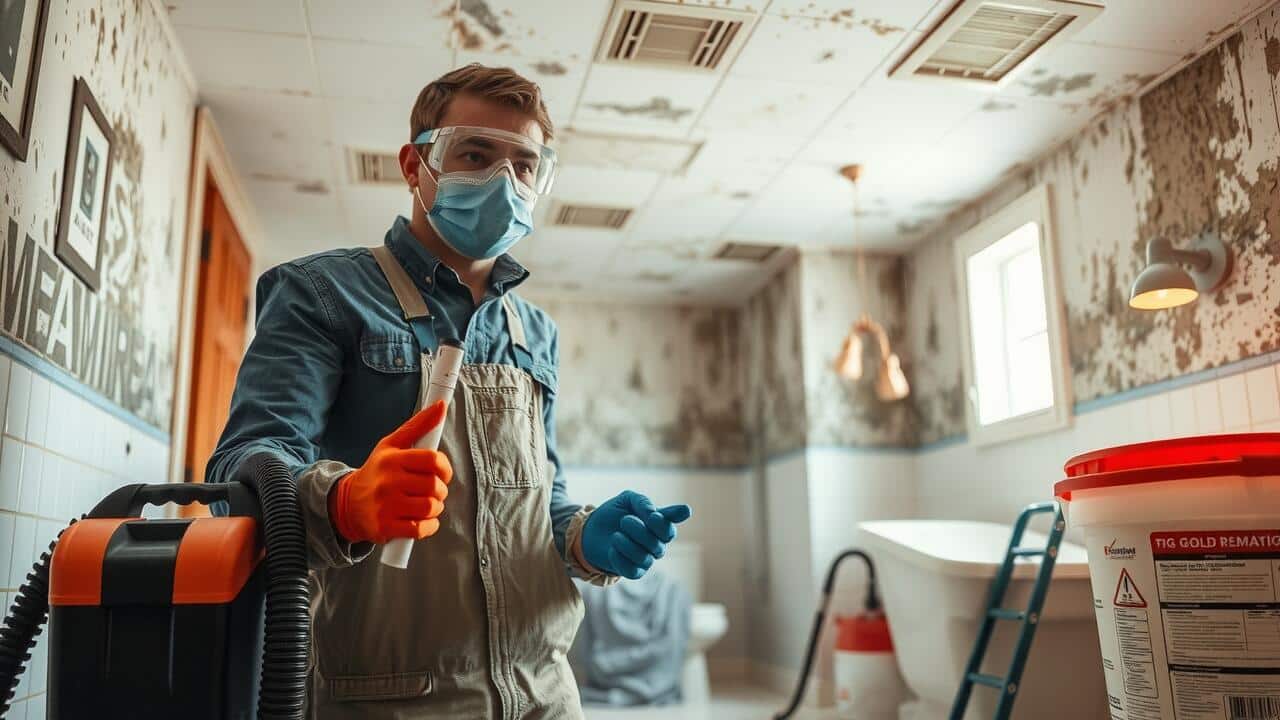
For those seeking a more robust option, commercial mold removers are readily available. These products often contain powerful chemical agents designed to penetrate and eradicate mold at its source. When using commercial cleaners, proper safety precautions are essential. Always ensure adequate ventilation and wear protective gear to prevent inhalation or skin contact. Mold remediation in your space becomes more effective with the right approach to cleaning.
Natural and Chemical Options for Mold Cleanup
Natural options for mold cleanup often involve using household items that possess antifungal properties. Vinegar is a popular choice due to its acetic acid content, which can effectively kill many types of mold. Simply spraying undiluted vinegar on affected areas and letting it sit for a few hours can help mitigate growth. Baking soda is another safe and effective natural solution, as it not only cleans but also neutralizes odors associated with mold. Mixing baking soda with water to create a paste can enhance its efficacy when scrubbing surfaces.
Chemical options provide another approach for mold remediation in various environments. Commercial mold removers typically contain potent ingredients like bleach or hydrogen peroxide, which can eliminate mold quickly. These products can penetrate porous materials, presenting a strong solution for tough infestations. While chemical cleaners can be effective, they often require safety precautions such as gloves and masks during application. Balancing effectiveness and safety is crucial when deciding between natural and chemical options.
Preventing Future Mold Growth
Controlling moisture is essential in preventing future mold growth. Keep humidity levels in your home below 50% by using dehumidifiers in damp areas, such as basements and bathrooms. Proper ventilation also plays a crucial role; ensure your kitchen and bathrooms are equipped with exhaust fans to remove humid air effectively. Regularly check for leaks in plumbing and roofing, as these can create a conducive environment for mold.
Mold remediation in affected areas should also focus on maintaining clean, dry surfaces. Regularly inspect and clean areas prone to moisture build-up, like window sills and under sinks, using soap and water or a mild detergent. Keeping an eye on indoor plants is important as well; overwatering can lead to excess humidity. Using moisture-absorbing materials and ensuring adequate airflow throughout your home can further help mitigate mold risks.
Tips for Moisture Control and Ventilation
Controlling moisture in your home is vital for preventing mold growth. Excess humidity creates an ideal environment for mold spores to thrive. To keep moisture levels down, use dehumidifiers in damp areas like basements and bathrooms. Make sure to repair any leaks promptly. Proper ventilation in these spaces is also essential. Install exhaust fans to help reduce humidity levels, especially during showering or while cooking.
Good air circulation can significantly reduce the likelihood of mold. Open windows on dry days to allow fresh air in. Use ceiling fans to promote airflow throughout your home. Keep vents clean and unobstructed to ensure optimal performance of your heating and cooling systems. Together, these strategies can create an environment less conducive to mold growth, supporting effective mold remediation in your living spaces.
When DIY Remediation is Not Enough
Sometimes, mold infestations can overwhelm homeowners, especially in large areas or behind walls where visibility is limited. Simple DIY methods may not fully address the issue or eliminate the underlying causes. If mold returns shortly after cleanup, it could indicate deeper moisture problems or persistent spores. In such cases, relying solely on personal efforts may lead to frustration and further deterioration of the affected environment.
Mold remediation in these instances often requires professional intervention. Experts have access to specialized equipment and techniques that ensure thorough removal and long-term prevention. Noticing persistent musty odors, significant water damage, or recurring health issues among residents could signal the need to seek help. Safeguarding health and property becomes paramount when the situation escalates beyond manageable levels.
Signs You Should Call a Professional
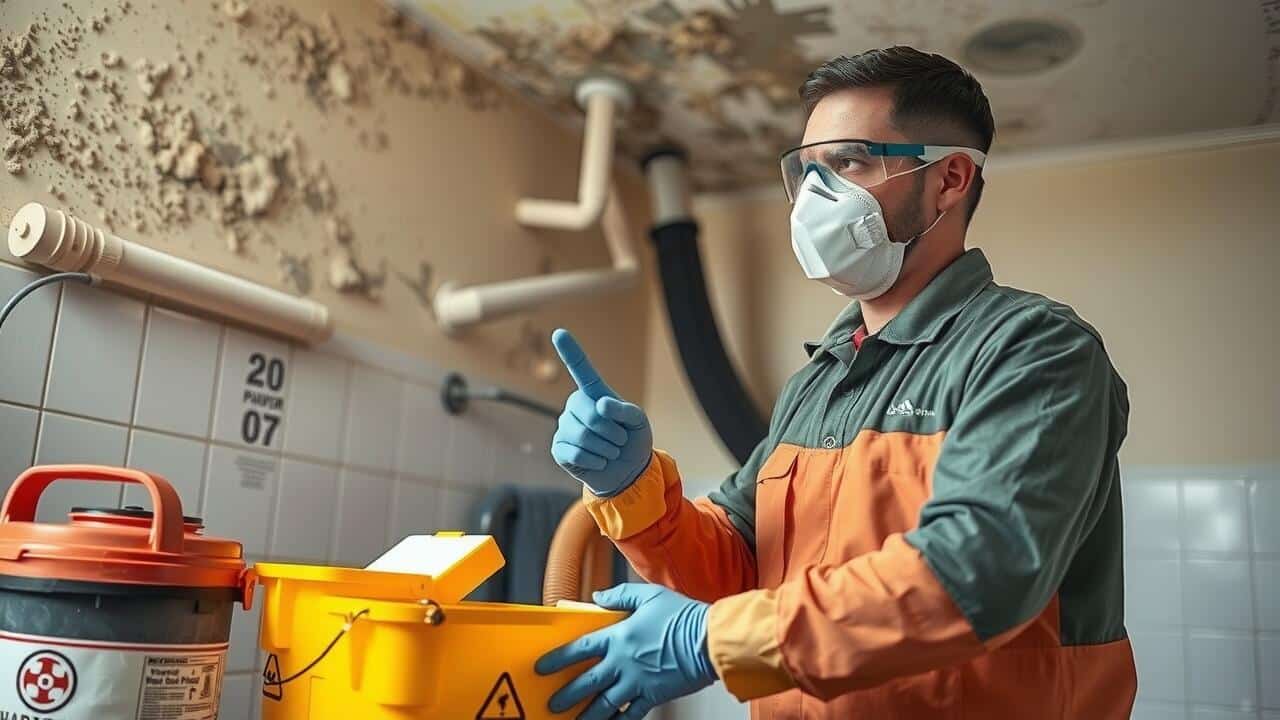
Mold can pose significant health risks, making it essential to recognize when professional help is warranted. If you notice mold covering an area larger than ten square feet, it’s a strong indication that a more thorough approach is necessary. Professionals have the training and equipment to handle extensive infestations safely and effectively. Additionally, if you experience persistent allergy symptoms, respiratory issues, or other health concerns while dealing with mold, seeking expert assistance is crucial.
In situations involving water damage, such as flooding or severe leaks, the likelihood of mold growth increases dramatically. Mold remediation in these cases often requires specialized techniques that the average homeowner may not have access to or knowledge of. If there is a musty odor that lingers despite cleaning efforts or if mold returns after initial treatment, it is wise to contact a professional. They can assess the underlying causes and implement solutions to prevent future growth.
FAQS
Can I safely remove mold by myself?
Yes, you can safely remove small areas of mold by yourself using appropriate cleaning solutions and protective gear. However, it’s important to assess the extent of the mold growth before proceeding.
What are the best cleaning solutions for mold removal?
The best cleaning solutions for mold removal include natural options like vinegar and baking soda, as well as chemical options such as bleach or commercial mold removers. Choose a solution based on the severity of the mold and your personal preference.
How can I prevent future mold growth in my home?
To prevent future mold growth, focus on moisture control and proper ventilation. Keep humidity levels below 60%, fix leaks promptly, and ensure adequate airflow in areas prone to moisture, such as bathrooms and basements.
What are the signs that I should call a professional for mold remediation?
Signs that you should call a professional include extensive mold growth (greater than 10 square feet), signs of mold within walls or ceilings, or if you experience health issues related to mold exposure.
Is it safe to use bleach for mold removal?
While bleach can be effective for killing mold on non-porous surfaces, it is not always the best choice. It can create harmful fumes and may not penetrate porous materials, so consider using other solutions or consult a professional if unsure.