Table Of Contents
Cleaning Techniques
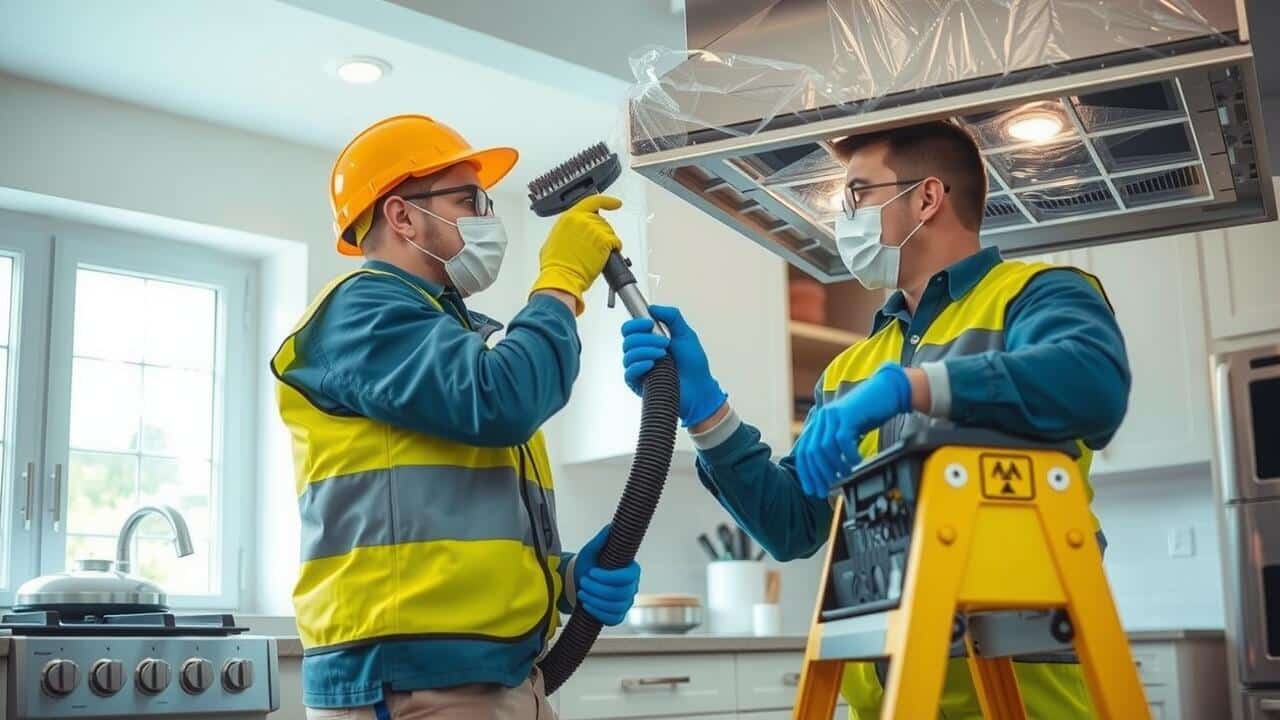
Effective cleaning techniques ensure the longevity and efficiency of exhaust vents. Regular maintenance prevents the buildup of grease and dust, which can lead to hazardous situations. Start by turning off the appliance connected to the vent and ensure the area is safe for cleaning. Using a vacuum with a narrow attachment can help remove loose debris from the vent’s exterior. For deeper cleaning, consider utilizing a microfiber cloth dampened with a suitable cleaner to wipe down surfaces and remove residues.
Different types of vents may require specialized techniques. For example, kitchen exhaust vents often accumulate grease, which can be stubborn to eliminate. In this case, a degreasing agent may be necessary for effective cleaning. Exhaust Vent Cleaning in commercial kitchens might involve additional steps, such as disassembling parts of the vent system to reach hard-to-clean areas. Always refer to manufacturer guidelines to select appropriate cleaning agents that won’t damage the materials used in the vent.
Effective Methods for Different Vent Types
Different types of exhaust vents require distinct cleaning approaches for optimal results. For kitchen range hoods, a combination of vinegar and baking soda works well to tackle grease and odors. Applying the mixture directly to the vent surfaces helps break down the grime. Rinsing with warm water ensures a thorough cleanse, promoting airflow and efficiency. Regular maintenance every few months can prevent build-up and reduce cleaning time.
Bathroom exhaust vents often collect dust and lint over time. A vacuum with a brush attachment proves effective for removing accumulated debris from the vent covers. Accessing the internal ducts may require a contractor-grade cleaner for deep cleaning. Exhaust Vent Cleaning in bathrooms can be minimized by running the fan regularly during showers. This practice helps to minimize moisture and reduce mold growth within the system.
Dealing with Stubborn Debris
Stubborn debris in exhaust vents can pose a significant challenge. Often, grease and grime harden over time, making them more difficult to remove. For effective exhaust vent cleaning in such cases, utilizing a combination of heat and solvent can be beneficial. Applying a commercial degreaser or a mixture of vinegar and baking soda directly to the affected area can help break down the buildup. After allowing the solution to sit for a brief period, scrubbing with a stiff brush assists in lifting stubborn residue away from the vent surfaces.
If the buildup persists, consider using a pressure washer or a steam cleaner designed for heavy-duty cleaning tasks. These tools can penetrate tough grime while minimizing damage to the vent’s material. Always follow up with a thorough rinse to prevent any cleaning solution from lingering in the vent system. Scheduling regular cleanings can significantly reduce the amount of stubborn debris that accumulates, making future exhaust vent cleaning in your home or business less intensive.
Strategies for Tough Build-Up
Tough build-up in exhaust vents often requires more rigorous techniques to achieve satisfactory results. Start by applying a mixture of warm water and a suitable degreasing agent to the affected areas. Allow this solution to sit for a few minutes to break down the stubborn grease and grime. Using a stiff-bristle brush, scrub the areas with build-up effectively. For deeper penetration, consider utilizing a steam cleaner. This method can loosen debris without the need for excessive scrubbing.
In some cases, a heavy-duty cleaner may be necessary for persistent blockages. Ensure the room is well-ventilated while applying these products. Follow the manufacturer’s instructions carefully to prevent any damage to the vent material. After cleaning, rinse the vents with clean water to remove any remaining residues. Regularly scheduling Exhaust Vent Cleaning in your home can prevent tough build-up from occurring in the first place, ensuring safer and more efficient ventilation.
Post-Cleaning Maintenance
Regular maintenance plays a crucial role in prolonging the cleanliness and efficiency of your exhaust vents. After an initial cleaning, implementing a simple routine can help prevent the buildup of grease and debris. Consider using a damp cloth or vacuum attachment to wipe down vent covers and surrounding areas weekly. This small effort can significantly enhance airflow and reduce the need for more intensive cleaning sessions.
Incorporating professional Exhaust Vent Cleaning in your maintenance plan can also be beneficial. Scheduling annual or biannual cleanings ensures that any hidden buildup is addressed before it becomes a more substantial problem. Additionally, during these professional services, technicians can inspect for potential issues or wear that could lead to complications down the line. Regular maintenance keeps your exhaust system functioning optimally and can prevent costly repairs in the future.
Keeping Vents Clean Longer
Regular maintenance is key to ensuring that exhaust vents remain clean for an extended period. Implementing a routine inspection of the vents helps identify any early signs of lint or grease accumulation. Utilizing exhaust vent cleaning in conjunction with routine inspections can significantly reduce the buildup of debris. Scheduling professional cleaning at least once a year can also enhance the performance and longevity of the vents.
In addition to professional services, employing simple preventative practices can make a notable difference. Keeping areas around the vents clear of debris will minimize the chances of buildup. Ensuring that kitchen appliances vent properly can prevent excess grease and food particles from accumulating in the exhaust system. This proactive approach not only extends the cleanliness of the vents but also enhances the overall efficiency of your home’s ventilation system.
FAQS
How often should I clean my exhaust vents?
It is recommended to clean your exhaust vents at least once a year, but if you notice a buildup of dust or grease, or if you use your appliances frequently, more frequent cleaning may be necessary.
What tools do I need to clean exhaust vents effectively?
Common tools include a vacuum with a brush attachment, microfiber cloths, a soft-bristle brush, and a degreaser or mild detergent for tougher buildup.
Can I clean exhaust vents myself, or should I hire a professional?
You can clean exhaust vents yourself if you feel comfortable doing so and have the right tools. However, for complex systems or significant buildup, hiring a professional may be the best option.
What are the signs that my exhaust vents need cleaning?
Signs include reduced airflow, unusual odors, visible dust or grease buildup, and increased energy bills, which may indicate that your system is working harder than it should.
What should I do if I encounter stubborn debris during cleaning?
For stubborn debris, try using a mixture of warm water and a degreaser to loosen the buildup. A soft-bristle brush can also help remove tough grime. If the buildup persists, consider consulting a professional for assistance.
