Table Of Contents
Chemical Absorbents for Moisture Control
Chemical absorbents play a crucial role in moisture removal in both residential and commercial settings. These materials can trap and hold water vapor, making them effective in controlling humidity levels. One popular option is silica gel, which is renowned for its ability to absorb moisture from the air. Often found in small packets, silica gel can be easily placed in closets, drawers, or containers to help maintain a dry environment.
Another effective chemical absorbent is activated charcoal, known for its porous structure that allows it to absorb excess moisture. Activated charcoal not only helps with moisture removal in various spaces but also aids in eliminating odors, making it a versatile solution. When implementing these absorbents, it is essential to periodically replace or regenerate them to ensure continued effectiveness in moisture control.
How silica gel can help reduce dampness
Silica gel is a highly effective chemical absorbent that plays a crucial role in moisture removal in various environments. It consists of tiny, porous beads that can absorb significant amounts of water vapor from the air. This capacity makes it ideal for use in enclosed spaces like closets, basements, and storage containers. The gel can help prevent mold and mildew growth by maintaining lower humidity levels. As a result, items such as clothes, documents, and electronics remain safe from the damaging effects of excess moisture.
To maximize the benefits of silica gel, placement is key. Strategically positioning packets or containers of silica gel in places prone to dampness optimizes moisture removal in these areas. While silica gel’s effectiveness diminishes once it reaches its saturation point, it can be reactivated by heating it in an oven, allowing for repeated use. This sustainability feature adds to its appeal as a moisture control solution.
Outdoor Solutions for Managing Moisture
Managing outdoor moisture is essential for maintaining a healthy landscape and preventing potential issues with dampness near structures. Strategies such as proper grading and using drainage systems can significantly aid in moisture removal in gardens and yards. Moreover, incorporating native plants that thrive in local conditions can enhance soil absorption and help manage water runoff effectively.
Implementing landscaping techniques focused on directing water away from buildings not only protects property but also enhances outdoor aesthetics. Features like raised beds and swales can guide excess moisture to areas where it can be absorbed by plants or dissipated naturally. These practices promote healthy growth while preventing water accumulation that can lead to mold and other moisture-related problems.
Landscaping Techniques to Direct Water Away
Landscaping plays a crucial role in moisture management around a property. Strategic grading of the land ensures that water drains away from foundations and other structures. By creating slopes and barriers, homeowners can effectively divert runoff to designated areas, minimizing the risk of pooling water. The incorporation of native plants can also enhance the natural absorption of moisture, helping to stabilize soil and reduce dampness.
Incorporating features like swales and rain gardens can further support moisture removal in landscapes. Swales act as shallow channels that guide water away from impervious surfaces and help in infiltration. Rain gardens, designed to capture and filter runoff, allow plants to thrive while absorbing excess water. These methods not only manage moisture levels but also enhance the aesthetic appeal of outdoor spaces.
Monitoring Moisture Levels
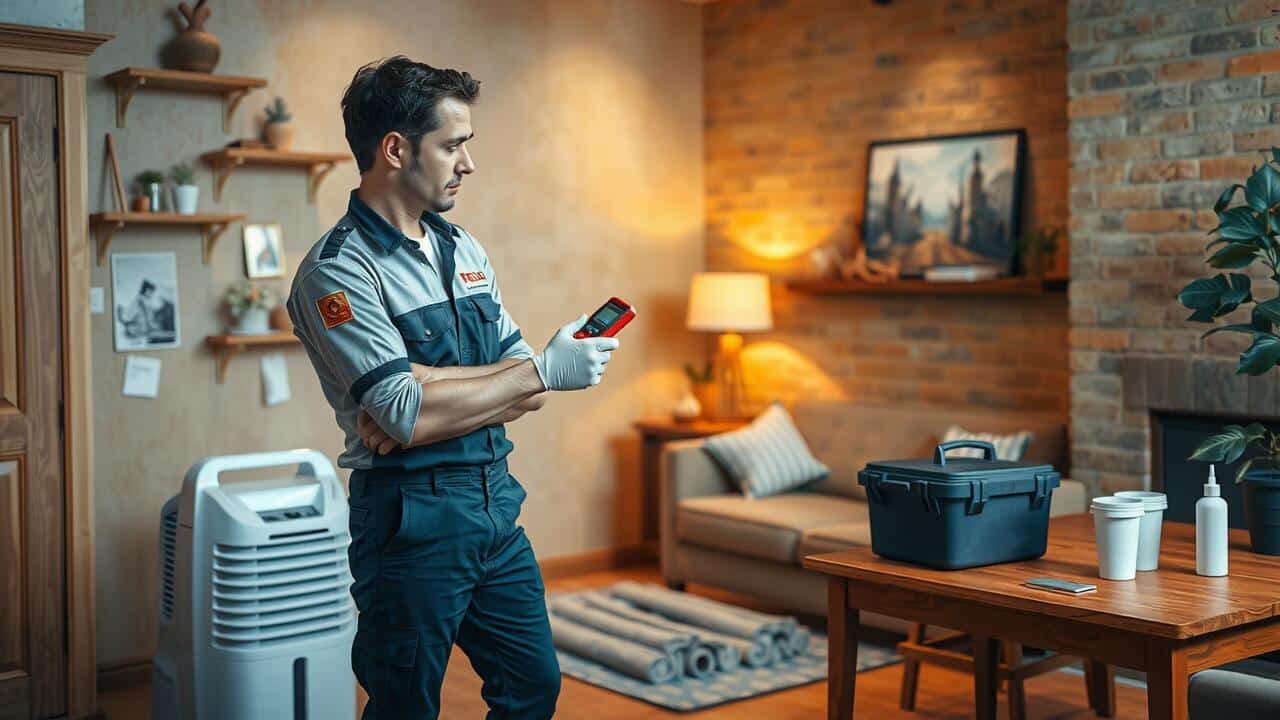
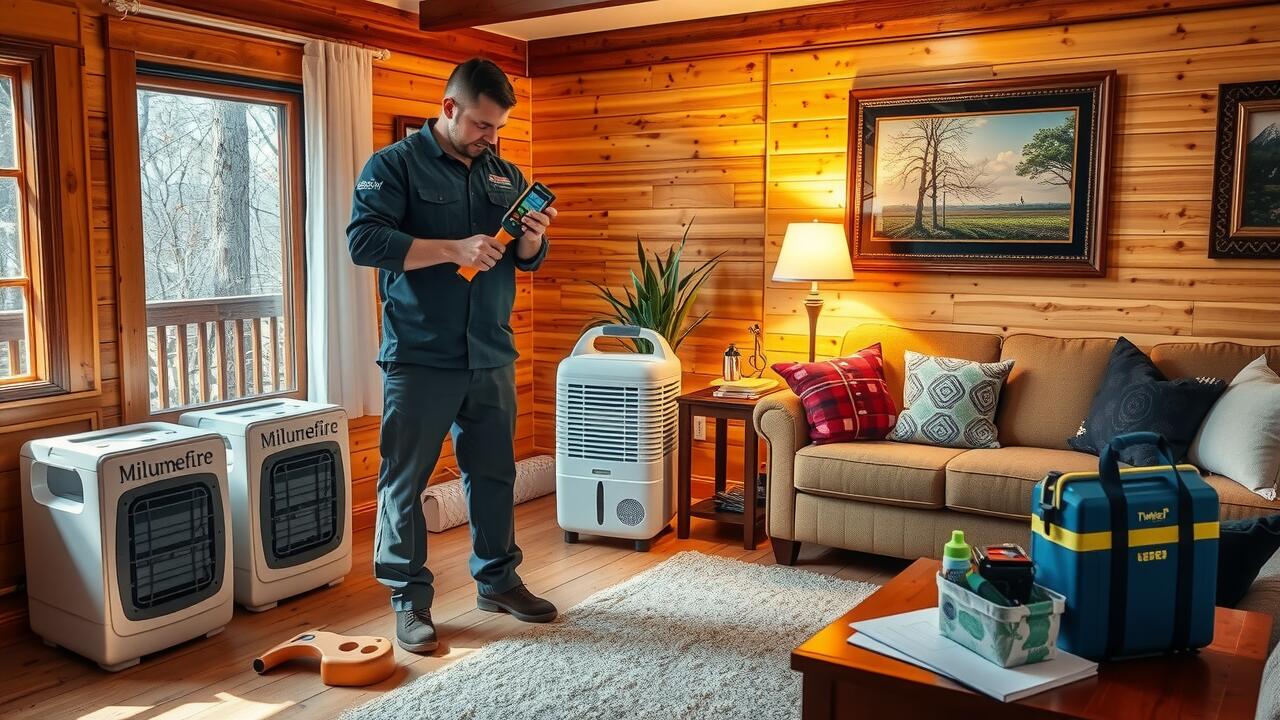
Monitoring moisture levels is crucial for effective moisture removal in various environments. Using hygrometers provides accurate readings, helping homeowners and businesses understand the humidity levels in their spaces. Regular monitoring allows for timely interventions to prevent damage from excess moisture, such as mold growth or structural issues.
Different types of hygrometers are available, ranging from mechanical to digital models. Digital hygrometers often offer additional features, including temperature readings and data logging, which can aid in tracking moisture trends over time. Understanding these levels is essential in making informed decisions about dehumidification and other moisture control methods.
Using Hygrometers for Accurate Readings
Hygrometers serve as essential tools in monitoring moisture levels within various environments. By providing accurate readings of humidity, they enable homeowners and facility managers to make informed decisions about moisture control. Regular use of hygrometers can help identify areas prone to dampness, allowing for timely intervention and moisture removal in affected spaces.
Understanding the readings from hygrometers can significantly influence moisture management strategies. A specific humidity range is ideal for most indoor settings, promoting not only comfort but also preventing mold growth. By maintaining a consistent monitoring routine with a hygrometer, effective moisture removal in critical areas becomes more achievable, ensuring a healthier living or working environment.
FAQS
What are chemical absorbents and how do they work?
Chemical absorbents are substances that can capture and retain moisture from the air. They typically contain hygroscopic materials, which attract water vapor and help reduce humidity levels in enclosed spaces.
How can silica gel be used effectively for dampness control?
Silica gel can be placed in small sachets or containers in areas prone to moisture. It absorbs excess humidity from the environment, helping to prevent mold growth and protect items from dampness, such as clothing, electronics, and documents.
What outdoor landscaping techniques can help manage moisture?
Landscaping techniques to manage moisture include grading the land to direct water away from structures, using drainage systems, planting moisture-resistant vegetation, and creating swales or ditches to channel water away effectively.
Why is monitoring moisture levels important?
Monitoring moisture levels is crucial to prevent issues like mold growth, structural damage, and health problems associated with high humidity. Keeping track of moisture can help you take timely action to mitigate any potential risks.
How do hygrometers work and why should I use one?
Hygrometers measure the humidity level in the air. Using a hygrometer allows you to monitor moisture levels accurately, helping you determine when actions need to be taken to control humidity and maintain a healthy environment.