Table Of Contents
Inspecting the Blower Motor
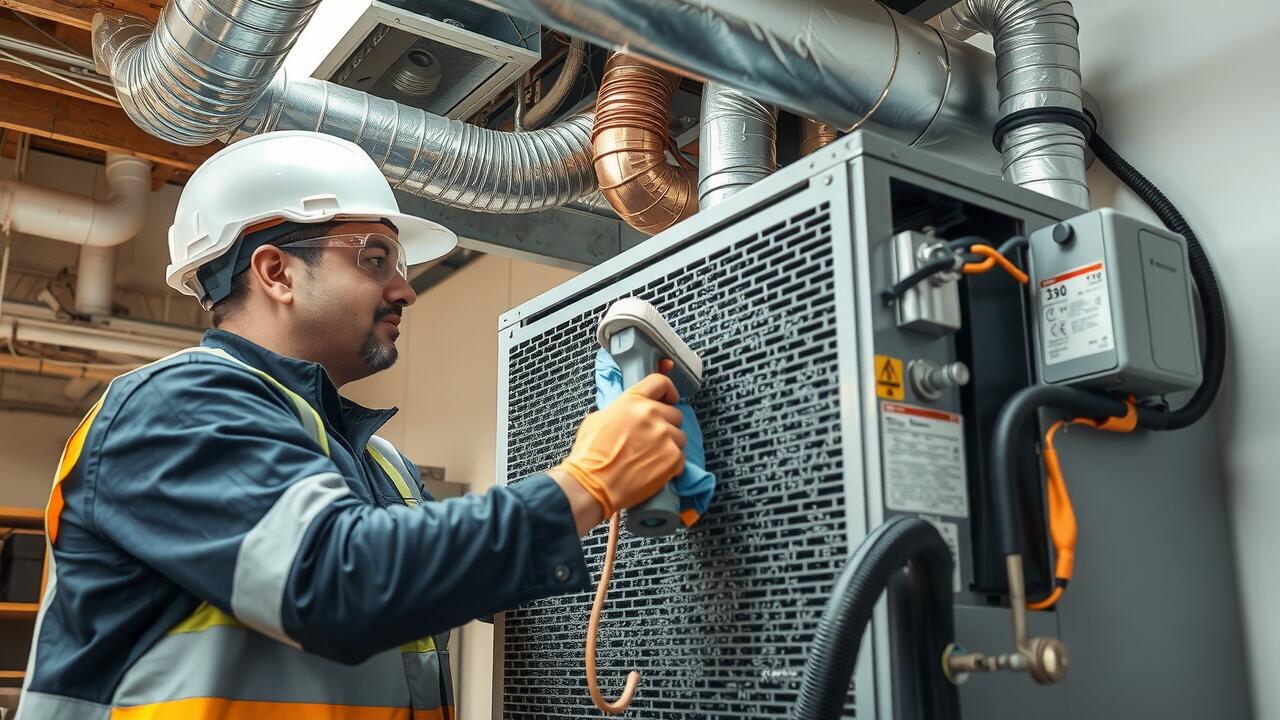
Inspecting the blower motor is a crucial step in maintaining air handler efficiency. Begin by turning off the power to the unit. Remove any access panels to gain clear visibility of the motor. Check for signs of dust buildup and obstructions that might hinder the motor’s performance. Gently clean the area with a soft brush or vacuum to remove debris, which can affect the airflow.
Look for any unusual sounds or vibrations when the blower is running. Squeaking or rattling noises can indicate problems that need addressing. If everything appears in order, ensure the connections are secure. Regular maintenance, including an annual inspection, will prolong the life of the blower motor. If you find yourself asking, “Where can I find Air Handler Cleaning near me?” consider reaching out to local HVAC specialists for assistance.
Signs of Wear and Tear
Over time, air handlers can show signs of wear and tear that may affect their performance. A common indicator is strange noises, such as grinding, squeaking, or rattling sounds. These noises often stem from loose components, failing bearings, or debris caught in the blower assembly. Additionally, reduced airflow can signal a problem. If you notice that air doesn’t flow as freely as it used to, it may be time to investigate further.
Another sign to watch for is an increase in energy bills. When an air handler struggles to operate efficiently, it can lead to higher energy consumption. Inspecting components for wear, such as belts or motors, can help identify issues early. To ensure your air handler is functioning correctly, searching for “Air Handler Cleaning near me” can connect you with professionals who can perform a thorough inspection and address any wear-related concerns.
Lubricating Moving Parts
Proper lubrication of an air handler’s moving parts is essential for maintaining efficiency and extending the unit’s lifespan. Over time, components such as the blower motor and fan can experience friction, leading to increased wear and potentially costly breakdowns. Regular lubrication helps to reduce this friction, allowing the parts to operate smoothly. It’s a straightforward process that can be performed during routine maintenance.
When choosing lubricants for your air handler, select options specifically designed for HVAC systems. These products typically provide better performance and longevity compared to standard oils. If you are unsure about which lubricants are compatible with your unit, consider reaching out to professionals or searching for “Air Handler Cleaning near me” to find local experts who can provide guidance and services tailored to your system’s needs.
Recommended Lubricants for Air Handlers
When selecting lubricants for air handlers, it’s crucial to use products specifically designed for HVAC applications. These lubricants reduce friction on moving parts, enhancing efficiency and prolonging the equipment’s lifespan. Common options include lightweight oils like 3-in-1 oil, which is versatile for various components. Synthetic oils can also be a good choice as they offer superior performance under a wide range of temperatures and conditions.
To ensure maximum effectiveness, it’s best to apply lubricant sparingly and only to parts that require it, such as the blower motor and fan bearings. Regular maintenance will also help identify when lubrication is necessary. For those looking for professional assistance, searching for “Air Handler Cleaning near me” can lead to qualified technicians who can perform thorough services, including proper lubrication.
Testing Electrical Connections
Ensuring the electrical connections of an air handler are secure is crucial for optimal performance. Over time, wires can become loose or corroded, leading to malfunctions or inefficiencies. To test these connections, start by turning off the power to the unit. Inspect the wiring for any signs of wear or damage, and make sure that all connections are tight. Replacing any frayed wires will help maintain safety and functionality.
Regular maintenance checks can prevent electrical issues from arising. If you notice problems with airflow or the air handler’s operation, it may be time to consider the state of the electrical connections. For comprehensive assistance, look for services offering “Air Handler Cleaning near me.” These professionals can ensure that all aspects of your unit, including electrical components, are functioning properly.
Ensuring Proper Functionality
Regular testing of electrical connections is essential for ensuring the proper functionality of your air handler. Start by inspecting all wiring and connectors for any signs of damage or wear. Loose or corroded connections can lead to inefficiency or even system failure. A multimeter can be used to check the continuity and voltage levels, making it easier to identify any potential issues before they escalate.
If you notice irregularities, it is crucial to address them promptly. Tighten loose connections and replace any worn components as needed. Additionally, consider professional assistance for more complex electrical issues. Searching for “Air Handler Cleaning near me” can help you find a qualified technician to ensure that everything is functioning optimally and safely. Taking these steps will contribute to the longevity and efficiency of your air handler system.
FAQS
How often should I service my air handler?
It is recommended to service your air handler at least once a year to ensure optimal performance and prolong its lifespan.
What are the signs that my air handler needs servicing?
Common signs include unusual noises, decreased airflow, increased energy bills, and frequent cycling on and off.
Can I lubricate the blower motor myself?
Yes, you can lubricate the blower motor yourself, but make sure to follow the manufacturer’s guidelines and use recommended lubricants.
What should I do if I find faulty electrical connections?
If you find faulty electrical connections, it is best to contact a qualified technician to safely repair or replace the connections.
How can I improve the efficiency of my air handler?
Regular maintenance, including cleaning filters, lubricating moving parts, and ensuring proper electrical connections, can significantly improve the efficiency of your air handler.