Table Of Contents
Disinfecting Surfaces
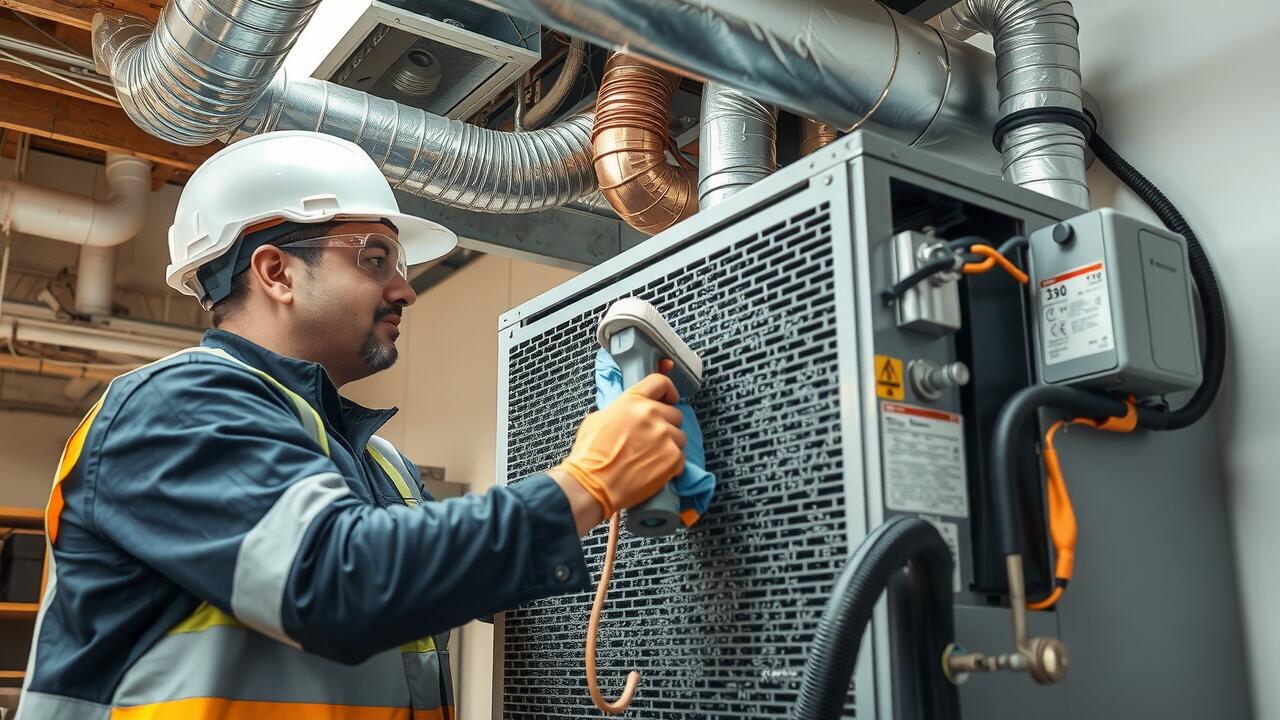
Disinfecting surfaces within an air handler is crucial for maintaining air quality and preventing mold growth. Start by turning off the power to the unit to ensure safety during the cleaning process. Remove any debris, dust, or dirt with a vacuum or a soft brush. Once the surfaces are clear, apply a suitable disinfectant that can effectively kill mold spores. It’s important to follow the manufacturer’s instructions for dilution and application to achieve optimal results.
After applying the disinfectant, allow it to sit for the recommended dwell time to ensure effective penetration. Wipe the surfaces with a clean cloth or sponge to remove any remaining residue. For areas where mold is persistent, consider using a more potent solution specifically designed for mold removal. Regular air handler cleaning can significantly reduce the likelihood of mold reoccurrence and help maintain a healthy indoor environment.
Choosing the Right Disinfectant
Selecting the right disinfectant is crucial for effective Air Handler Cleaning. Look for products that are specifically labeled for use on mold and mildew. These disinfectants typically contain ingredients such as hydrogen peroxide or quaternary ammonium compounds, which are proven to kill mold spores and prevent their return. Always check for EPA registration numbers to ensure the disinfectant meets safety and efficacy standards.
When applying the disinfectant, follow the manufacturer’s instructions carefully. Some products may require a specific contact time, during which the surface must remain damp for effective mold eradication. Using an appropriate spray nozzle can help reach all areas within the air handler. Consider wearing protective gear, such as gloves and a mask, to safeguard yourself during the cleaning process.
Preventative Measures Against Mold
Preventing mold growth in air handlers requires a proactive approach to system maintenance. Regularly scheduled air handler cleaning can minimize the accumulation of moisture and contaminants that foster mold development. Ensuring that the internal components of the air handler are clean and dry reduces the likelihood of mold spores taking hold in the first place. Implementing a routine cleaning schedule will help maintain an optimal environment and extend the lifespan of the system.
In addition to cleaning, maintaining proper humidity levels within the space is crucial. Humidity control measures such as dehumidifiers or humidity sensors can effectively mitigate moisture buildup. When the air handler operates efficiently, it improves airflow and circulation throughout the system. This can make a significant difference in reducing stagnant air, which is often a breeding ground for mold. Regular checks and adjustments also play a vital role in ensuring that any potential issues are addressed before they escalate.
Ensuring Proper Airflow
Proper airflow is crucial for the efficient operation of an air handler. A well-functioning system circulates air effectively, reducing the moisture levels that contribute to mold growth. Regularly inspecting and cleaning the ductwork can enhance airflow and minimize blockages caused by debris or dust buildup. Investing time in Air Handler Cleaning can prevent these issues from escalating, increasing overall system efficiency.
Additionally, ensuring that air filters are replaced or cleaned periodically is vital. Clogged filters restrict airflow and create an environment where mold can flourish. Homeowners should establish a regular schedule for changing filters, ideally every one to three months, depending on usage. This simple practice not only maintains good airflow but also supports the longevity of the air handler system.
Regular Maintenance Tips
Maintaining an air handler requires a commitment to regular upkeep. Schedule routine air handler cleaning to prevent the accumulation of dust, dirt, and moisture, which can contribute to mold growth. Change or clean filters as recommended by the manufacturer. This simple step improves air quality and enhances the overall efficiency of the system, reducing the likelihood of mold developing in the first place.
In addition to filter maintenance, inspect the unit periodically for any signs of water leakage or excessive humidity. Check for condensation on the air handler’s exterior and ensure that any drainage pans are functioning properly. Addressing these issues promptly prevents a conducive environment for mold and helps maintain the system’s lifespan. Regular air handler cleaning forms a critical part of an effective prevention strategy against mold proliferation.
Scheduling Routine Inspections
Routine inspections of your air handler are essential for maintaining a healthy indoor environment. These regular check-ups allow you to identify any signs of mold growth and address them before they become a bigger problem. During an inspection, a professional can assess the internal components, including filters and coils, ensuring that air handler cleaning meets necessary standards. Keeping a consistent schedule helps catch issues early and prevents expensive repairs or full system replacements due to neglect.
Establishing a routine for these inspections not only aids in mold prevention but also enhances the efficiency of your system. Air handler cleaning can improve airflow and energy efficiency, leading to lower utility bills. Make sure to keep a record of the inspections performed and any maintenance work done. This documentation can help you track the health of your air handler over time and inform future maintenance decisions.
FAQS
What is an air handler, and why is it important to keep it clean?
An air handler is a device that regulates and circulates air as part of an HVAC system. Keeping it clean is crucial because mold can grow in damp environments, leading to poor air quality and potential health issues.
How can I identify mold growth inside my air handler?
Signs of mold growth may include musty odors, visible stains or discoloration on surfaces, and increased allergy symptoms when the system is running. Inspecting the air handler regularly can help you spot these indicators early.
What type of disinfectant should I use to clean mold from inside the air handler?
A disinfectant containing fungicides specifically designed to kill mold is ideal. Look for EPA-approved products for effectiveness and safety. Always follow the manufacturer’s instructions for proper use.
How can I prevent mold from growing in my air handler?
To prevent mold, ensure proper airflow by regularly changing filters, controlling humidity levels, and scheduling routine inspections and maintenance. Additionally, keep the surrounding area dry and clean.
How often should I perform maintenance on my air handler to prevent mold growth?
Regular maintenance should be conducted at least twice a year. This includes changing air filters, cleaning the coils, and inspecting for any signs of moisture or mold. Consider scheduling a professional inspection annually.