Table Of Contents
Professional Cleaning Procedures
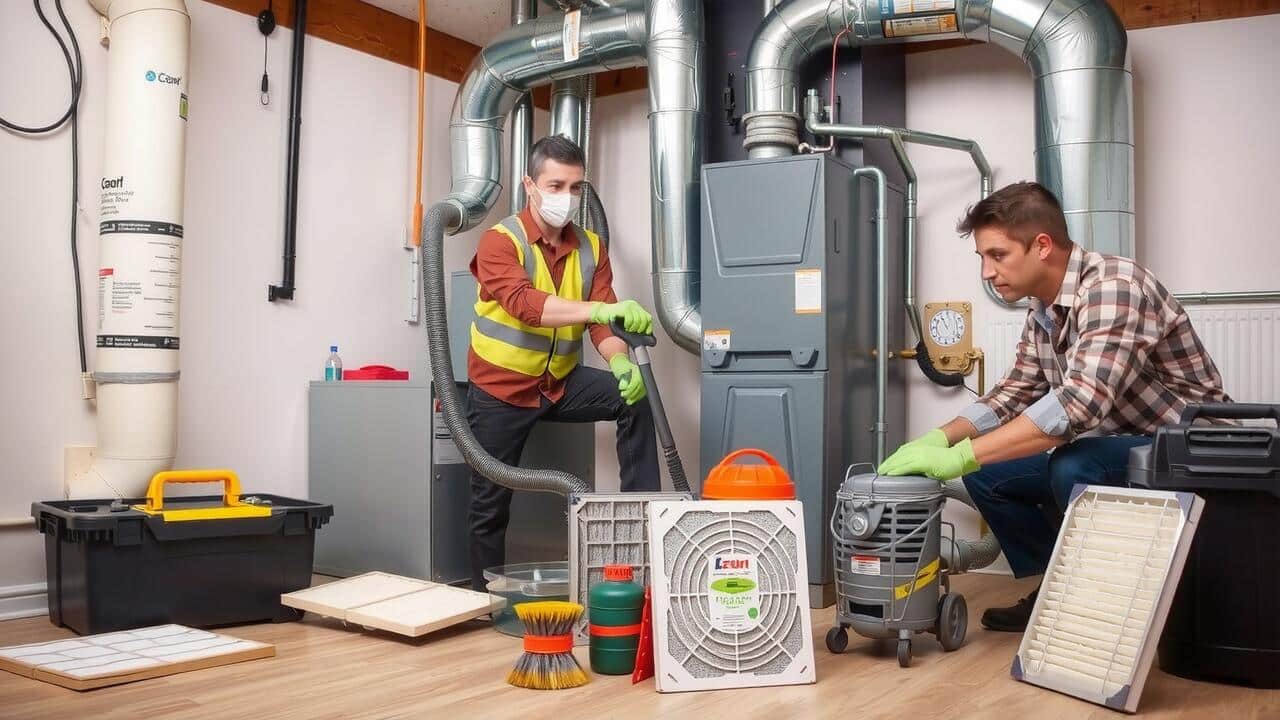
Professional furnace cleaning involves a comprehensive approach to ensure optimal operation and safety. Technicians typically begin by inspecting the entire system, looking for signs of wear or damage. They will clean key components such as the blower assembly, heat exchanger, and burners. This process may also include vacuuming dust and debris from the interior and ensuring that all parts are well-lubricated to enhance performance.
During furnace cleaning, technicians often check the ductwork for blockages and leaks, as these can significantly affect efficiency. They also assess the ignition system and safety controls to prevent potential hazards. This thorough evaluation ensures that the furnace runs smoothly while helping to maintain indoor air quality. Regular professional cleaning can extend the lifespan of the furnace and reduce unexpected breakdowns.
What to Expect from a Technician
When you schedule a furnace cleaning with a professional technician, it’s important to understand what services will typically be provided. The technician will first conduct a thorough inspection of your furnace to assess its condition and identify any potential issues. This visual check includes examining components such as the heat exchanger, burners, and blower. Once the inspection is complete, the technician will proceed with cleaning tasks, which may involve removing dirt and debris from key areas to enhance efficiency and performance.
In addition to cleaning, the technician will also check the filter and advise on its condition. If necessary, they will either replace or clean the filter as part of the furnace cleaning process. Technicians may offer recommendations for regular maintenance to ensure your furnace operates smoothly. Expect detailed feedback on any issues that might affect your system’s performance or contribute to safety hazards.
Impact of Dirty Furnaces on Indoor Air Quality
A dirty furnace can lead to a significant decline in indoor air quality. Dust, debris, and other contaminants accumulate in the furnace over time. These particles can be distributed throughout the home when the furnace operates. As a result, residents may notice an increase in allergens and pollutants circulating in their living space, which can trigger respiratory issues and exacerbate existing health problems.
Regular furnace cleaning is essential for maintaining optimal air quality. When a furnace is clean, it operates more efficiently and reduces the amount of dust and allergens released into the air. This not only helps create a healthier environment but also enhances overall comfort. Neglecting this maintenance can result in a buildup of contaminants, leading to increased indoor air pollution and health risks for occupants.
Health Risks Associated with Poor Maintenance
A poorly maintained furnace can lead to a range of health risks due to the accumulation of dust, allergens, and pollutants. When the heating system becomes dirty, it can circulate these harmful particles throughout the home. This can trigger respiratory issues, asthma attacks, and allergies, especially in vulnerable populations such as children and the elderly. Regular furnace cleaning is essential to minimize these risks and maintain a safe indoor environment.
In addition to airborne irritants, a neglected furnace may also pose carbon monoxide hazards. This colorless, odorless gas can leak from malfunctioning units, leading to serious health complications. Ensuring that a furnace is cleaned and inspected regularly helps to mitigate the risk of such leaks. Homeowners should prioritize furnace cleaning as part of their maintenance routine to protect both their health and that of their family.
The Role of Filters in Furnace Maintenance
Filters play a crucial role in the efficiency and performance of a furnace. They trap dust, dirt, and other pollutants, preventing them from circulating throughout the home. By maintaining clean filters, homeowners can ensure that their furnace operates smoothly, which can lead to significant energy savings. Furthermore, when filters are clogged, the furnace must work harder to pull air through, potentially leading to overheating and increased wear and tear on the system.
Regular furnace cleaning includes checking and replacing filters as part of routine maintenance. It is generally recommended to inspect filters every month and replace or clean them as needed, particularly during high usage seasons. A well-maintained filter not only improves air quality but also extends the lifespan of the furnace. Ignoring this aspect of maintenance can result in unnecessary repairs and reduced heating efficiency over time.
How Often to Replace or Clean Filters
Filters play a crucial role in maintaining a furnace’s efficiency and the overall air quality in your home. It is generally recommended to check your filters every month, especially during the heating season. This regular inspection helps identify when they become clogged and need replacement or cleaning. Depending on the type of filter used, some may require more frequent attention than others. For instance, pleated filters often last longer than standard fiberglass ones, so assess their condition and replace them as needed.
During furnace cleaning, technicians often inspect and replace filters if necessary. If you have pets, allergies, or live in a dusty area, the filters may need attention more frequently. It is essential to follow the manufacturer’s recommendations regarding filter replacement intervals, typically every 1 to 3 months. Keeping these filters clean allows your furnace to operate efficiently and contributes to better indoor air quality overall.
FAQS
How often should I have my furnace professionally cleaned?
It is generally recommended to have your furnace professionally cleaned at least once a year, ideally before the heating season begins.
What are the benefits of having my furnace cleaned regularly?
Regular cleaning helps improve indoor air quality, enhances the efficiency of the furnace, reduces the risk of breakdowns, and can extend the lifespan of the unit.
Can I clean the furnace myself, or should I hire a professional?
While some basic maintenance tasks can be done by homeowners, such as changing filters, it is best to hire a professional for thorough cleaning and inspection to ensure the system is safe and functioning properly.
What kind of issues can arise from a dirty furnace?
A dirty furnace can lead to decreased efficiency, higher energy bills, poor indoor air quality, and even health risks such as respiratory issues due to dust and allergens.
How do I know if my furnace filters need to be replaced or cleaned?
Filters should be checked regularly, and if they appear dirty or clogged, they should be replaced or cleaned. Many experts recommend changing or cleaning filters every 1 to 3 months, depending on usage and filter type.